The Northern Territory's peak body for social services says many organisations are reducing programs and services delivery due to rising fuel costs.
Northern Territory Council of Social Service (NTCOSS) chief executive Sally Sievers has called for "urgent relief" for those in remote communities who she said are being disproportionately affected by the fuel crisis.
“Our members and the people they work with are already feeling the bite of this crisis, with remote Territorians especially at risk,” Ms Sievers told NITV.
"With prices skyrocketing, urgent relief is needed to prevent even further disadvantage to families already pushed to the limit.”
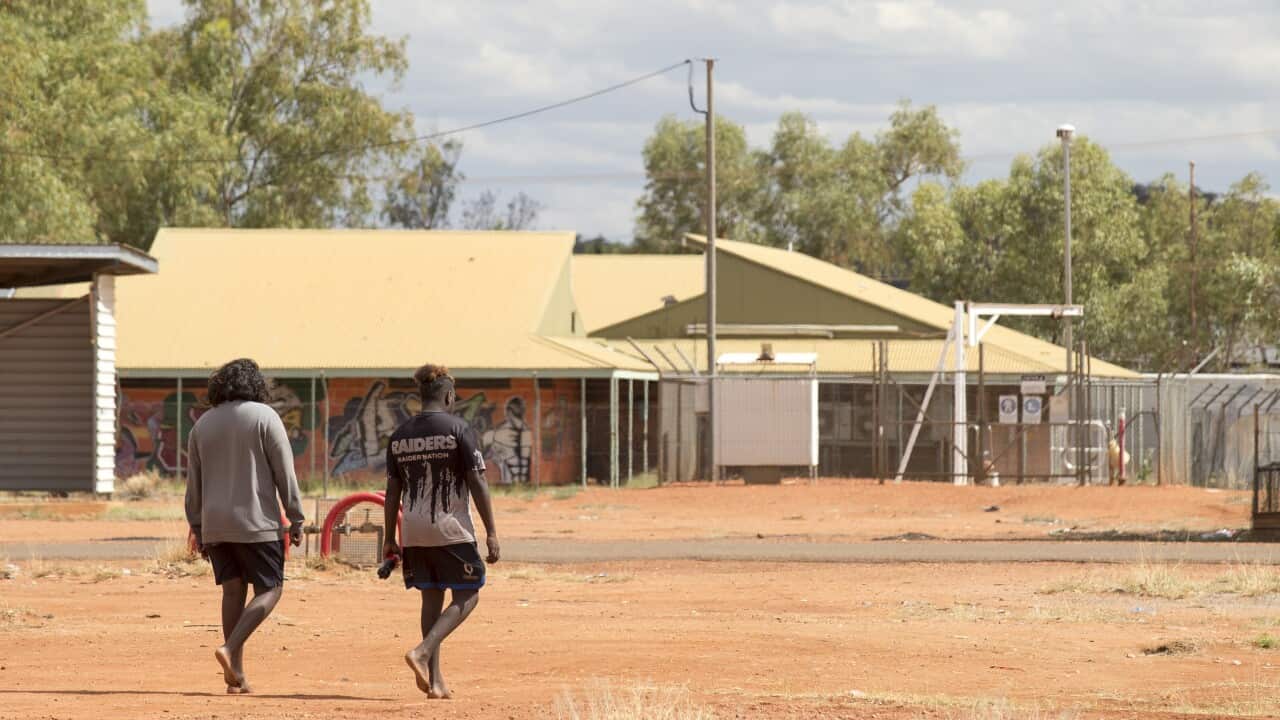
Ms Sievers said remote communities have been doubly impacted, with reports rising fuel costs are preventing some frontline organisations from providing their full range of services.
“Now more than ever the NT needs these critical services, and it’s extremely worrying that many organisations are being forced to downscale their work at a time so many people are in desperate need.”
Fuel, energy and food insecurity
Hundreds of remote communities across the Northern Territory and Western Australia rely solely on diesel generators for electricity.
Meanwhile, the cost of living in remote communities is already around 40 per cent higher than living in urban centres.
On the Dampier Peninsula in Western Australia's Kimberley region sits the community of Djarindjin, around 170 kilometres north of Broome.
Djarindjin Aboriginal Corporation CEO Nathan McIvor told NITV the community is already bearing the brunt of increased costs of freight and fuel.
"You are looking at over 100 per cent in a cost rise than what is was eight weeks ago," he said.
Mr McIvor said there were growing concerns people in the community will be forced to go without food and essential services if the fuel crisis continues.
"It's just going to get worse for us and at some stage the community is going to really suffer," he said.
"You've already got people on the poverty line that are not going to be able to buy what they ordinarily would buy ... they're not going to be able to afford to take care of their family."
Calls for increase to remote areas allowance
The Central Land Council, who represent constituents from more than 15 different language groups in the Northern Territory's southern region, reiterated calls for the remote areas allowance to be increased.
The payment is roughly $9.10 a week for singles and $15.60 for couples to help remote residents on income support to cover the higher costs of living remotely.
The allowance is not indexed and was last increased around 26 years ago.
Mischa Cartwright is the Central Land Council General Manager Regional & Development Services.
She told NITV increasing the allowance is an important first step solution to respond to rising costs.
"The government really needs to step up and increase substantially the remote area allowance for some of our poorest households," Ms Cartwright said.
The Minister for Indigenous Australians Malarndirri McCarthy told NITV she will be taking the call to Canberra.
"I'm raising that in Canberra with my colleagues and the relevant colleagues who are responsible in that area," Minister McCarthy said.
Indigenous peak bodies join crisis talks
This week the federal government announced that Indigenous-run peak bodies have joined a national working group in relation to the fuel crisis.
Minister McCarthy says clause 64 in the National Agreement on Closing the Gap has been activated to allow the Coalition of Peaks and other First Nations groups to join meetings on fuel, energy and food security.
“This Working Group ensures the experiences and needs of First Nations remote communities are heard, understood and included in the government's response,” Minister McCarthy said.
Among the issues raised at the Working Group's first meeting on Thursday 9 April was the reliance on diesel for electricity in remote communities and the high costs of air, sea and road freight for food and essential supplies increasing cost pressures on families and service providers.
As Joint Council Co-Chairs, the Minister for Indigenous Australians, Senator Malarndirri McCarthy, and the Coalition of Peaks Lead Convenor, Donnella Mills, will convene a second meeting of the Working Group on Thursday 23 April.