Children in the Northern Territory youth justice system, who are predominantly Indigenous, are going without legal representation according to a letter penned by the federal Attorney-General.
The letter from federal Attorney-General Michelle Rowland to her NT counterpart raised concerns that current resourcing for legal aid does not meet the demand of high incarceration rates in the Northern Territory.
Minister Rowland pointed to a string of "tough-on-crime" policies brought in by the NT government since coming to power in August 2024, including the tightening of bail laws, as the driver of increased incarceration rates.
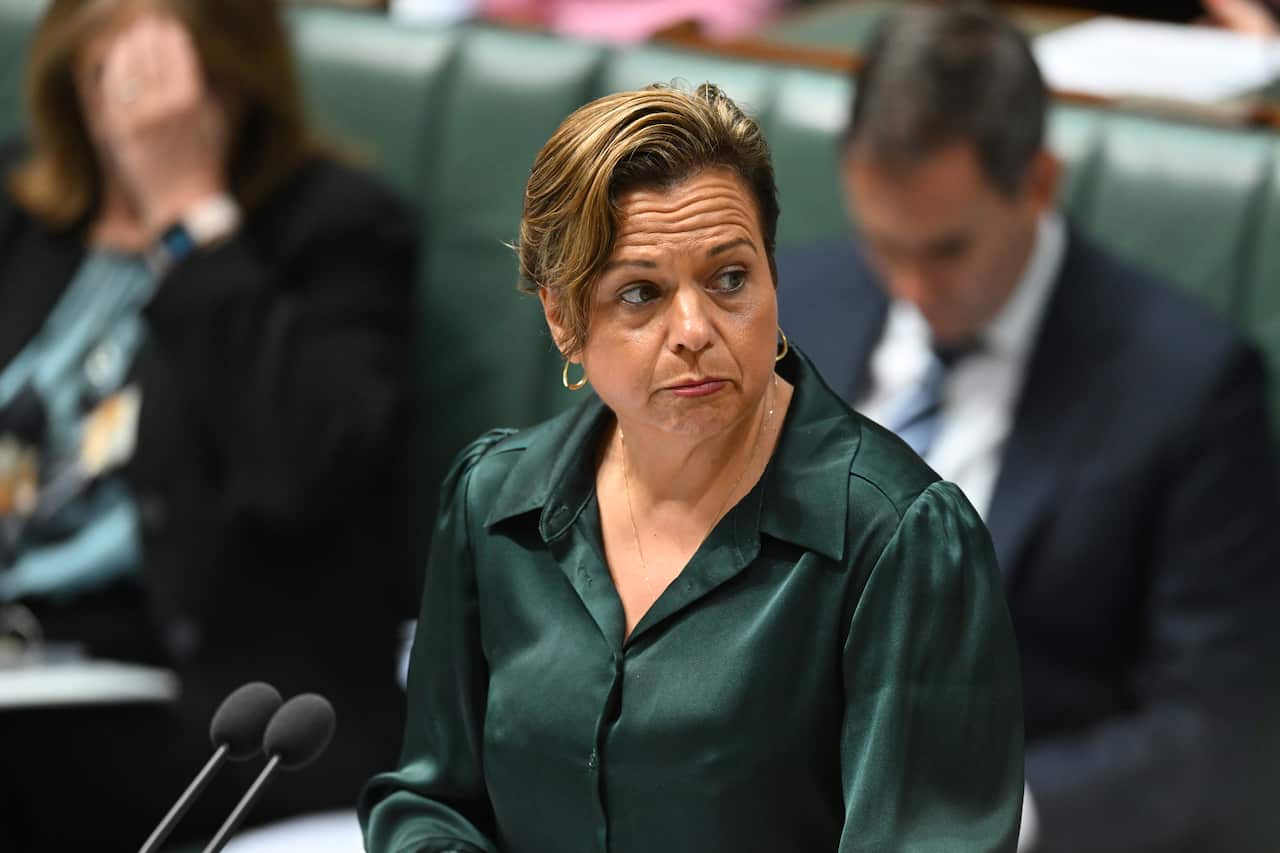
"Recent Northern Territory Government criminal justice reforms are having immediate operational impacts, including reduced capacity to meet demand, increased delays, and growing risks for the effective functioning of courts and corrections," the letter said.
"The impacts are being felt most acutely by... First Nations peoples and children.
"I am concerned that reforms generating additional demand for legal services do not appear to have been accompanied by commensurate resourcing for legal assistance providers."
It adds to mounting pressure from the Federal Government for jurisdictions to meet key targets on Closing the Gap.
In February, The federal minister for Indigenous Australians, Malarndirri McCarthy, reiterated potential penalties through funding arrangements for jurisdictions that fail to make progress on the Closing the Gap outcomes.
Children left without legal representation
Minister Rowland said she is concerned the current capacity constraints are inconsistent with Australia's international obligations under the 1989 Convention on the Rights of the Child.
"I am concerned that capacity constraints may leave vulnerable individuals, including children, unrepresented in criminal proceedings," she said.
"This is inconsistent with Australia's international obligations.
"No child should face charges or court processes without legal representation."
She also said some legal assistance providers in the NT had told her recently proposed reforms for the NT's child protection system will likely exacerbate the issue.
"Some legal assistance providers have also advised that the recently introduced Care and Protection of Children Legislation Amendment (Every Child Matters) Bill 2026 will likely increase their workloads even further," Minister Rowland said.
Cuts to services
Last November, the NT's key legal aid service made drastic cuts to its criminal division to avoid running out of money, according to documents leaked to ABC Darwin.
As reported by the ABC, a string of letters to legal practitioners revealed Legal Aid NT (LANT) had been enforcing a funding cap for total grant approvals and pausing all grants for anyone not already in custody.
It showed LANT had reached that funding cap within the first fortnight of every month since Februrary, meaning for at least two weeks in the last four months prisoners have been unable to access legal representation through LANT.
In a statement, a spokesperson from LANT said guidelines have since been amended to ensure children are provided legal representation.
"Our Northern Territory Criminal Law Guidelines have been amended effective from 1 June 2026 to reflect the practical application of legal representation being provided to children," the spokesperson said.
"Grants of legal aid will be available to children irrespective of their custody status."
Dispute over increase in demand
The NT Attorney-General Marie-Clare Boothby claims there has not been an "increase in demand for legal services" in the NT, which contradicts evidence provided by the National Aboriginal Justice Agency (NAAJA).
In a letter responding to the federal Attorney-General, Minister Boothby backed her claim by pointing to an increase in case finalisation numbers that she says are up by 36 per cent since July 2024.
NAAJA CEO Ben Grimes, says this is due to an increase in funding for the Director of Public Prosecutions and the Lower Court, but does not indicate demand on legal services hasn't increased.
"The Northern Territory Attorney General is clearly mistaken," Mr Grimes said.
"Data regularly published by the NT Courts, together with service delivery data, paint a clear picture of significant increases demand on the NT Criminal Justice system.
"The NT government has invested additional money to enable the arrest and prosecution of Territorians, but has not allocated money to ensure consistent access to justice and the protection of fundamental legal rights of Territorians."
NT Government rejects funding has decreased
Minister Boothby has also rejected claims that funding for Legal Aid NT decreased in real terms and claims the NT Government has delivered the largest ever baseline funding increase.
"We stepped up to plug the funding gap, providing some $3.5 million in 2024-25, and increasing Legal Aid NT’s baseline funding by a record 80 per cent," Minister Boothby said in a statement.
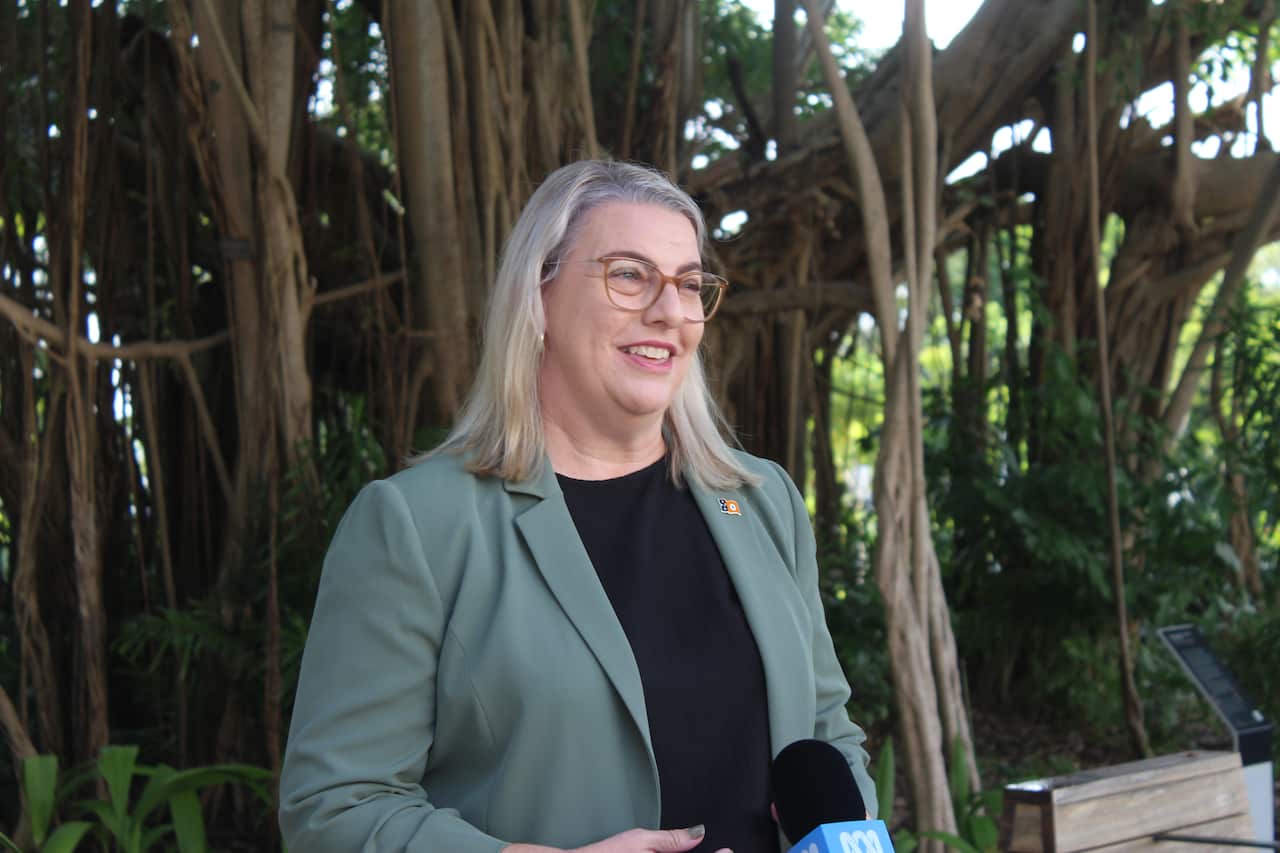
Minister Boothby claimed LANT had not yet signed the latest multi-year funding agreement put forward by the NT Government and said it had a responsibility to manage funds appropriately.
"Legal Aid now has the opportunity and the responsibility to deliver access to justice and manage taxpayers’ money sustainably," she said.
Legal Aid NT says the organisation is complying with its statutory obligations within the means of current funding arrangements.
"The Commission continues to monitor its financial position to ensure that it is complying with its statutory obligations and delivering services in the most effective, efficient and economic manner within the funding allocated to us for particular purposes," a LANT spokesperson said.