in brief
- The war is closing in on its second month, with peace talks appearing to have reached a stalemate.
- Experts have cautioned since the start of the conflict that the longer it drags on, the greater its economic impact.
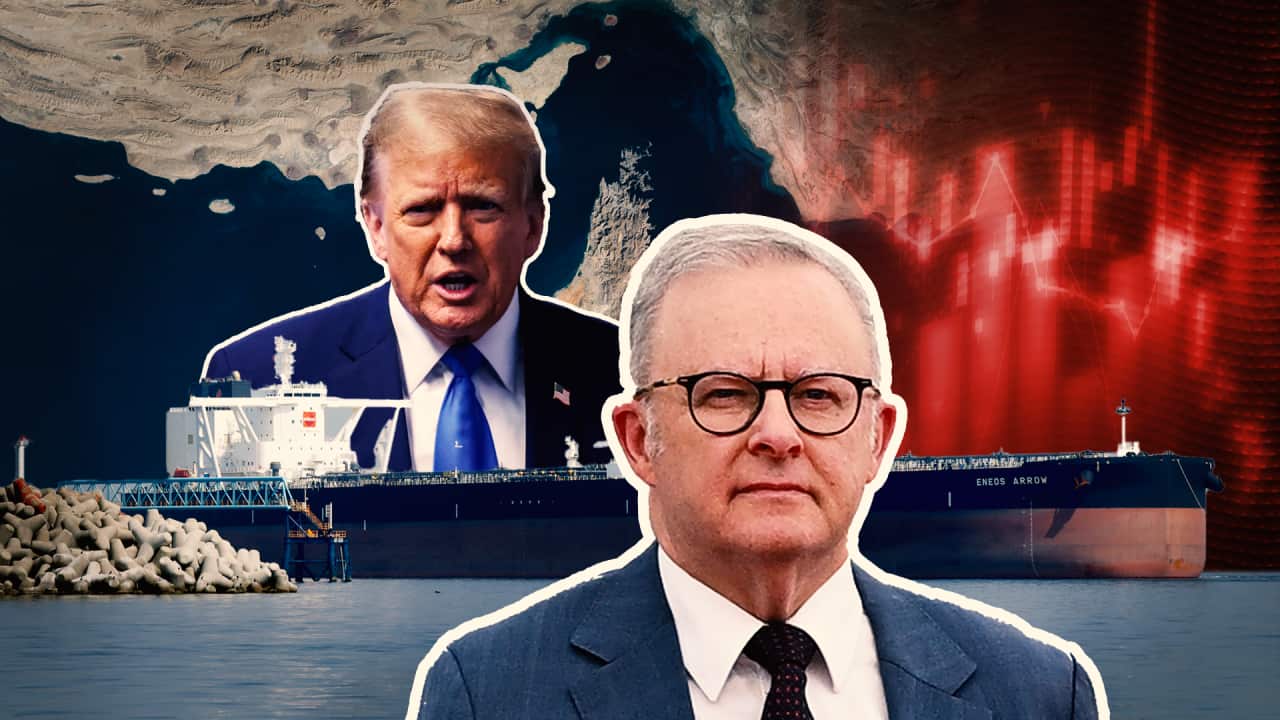
Australians could end up paying up to 20 per cent more on everyday items as the war in the Middle East closes in on its second month with no end in sight, experts say.
The prices of fuel, food, and other basics are expected to rise, feeding inflation and driving cost-of-living pressures even higher as global shipping remains disrupted.
Experts have cautioned since the outbreak of the conflict on 28 February that the longer it drags on, the greater its economic impact will be, with a recession becoming increasingly likely each passing week.
In its April global analysis, NAB wrote that oil prices over US$120 a barrel are where recession starts to become a real risk, something they say has almost a fifty-fifty chance of happening.
News that makes sense
Your trusted source for staying up-to-date with the world around you. Get free daily news updates and analysis, straight to your inbox.
Its worst-case forecast sees the Australian economy contract by 2 per cent, unemployment climb above 9 per cent, and house prices collapse.
Inflation figures from the Reserve Bank of Australia (RBA) are due to be released on Wednesday, giving a first look into how the conflict has impacted the Australian economy.
Greg Jericho, chief economist at progressive think tank the Australia Institute, told SBS News that those figures will only capture a limited picture, as fuel prices fluctuate.
"We haven't really seen the big flow through yet into other areas, especially foodstuffs and things like that," Jericho said.
"There doesn't seem to be any short-term prospect of things being resolved, and as a result, I think we can expect to see petrol prices probably start going back up again at some point."
Recession looming
On Monday, the price of oil climbed once again as US-Iranian negotiations stalled. Benchmark Brent crude futures rose around 2 per cent to a three-week high of US$108 ($150) a barrel in Asia, a level that has stoked inflation worries and prompted analysts to all but price out rate cuts in developed markets this year.
Fossil fuel production and transport, primarily natural gas and oil, have been hampered by the closure of the Strait of Hormuz by Iran and now the United States.
Iran has also damaged more than 80 LNG and oil facilities in neighbouring Gulf states, which could potentially take years to restore to their previous capacity.
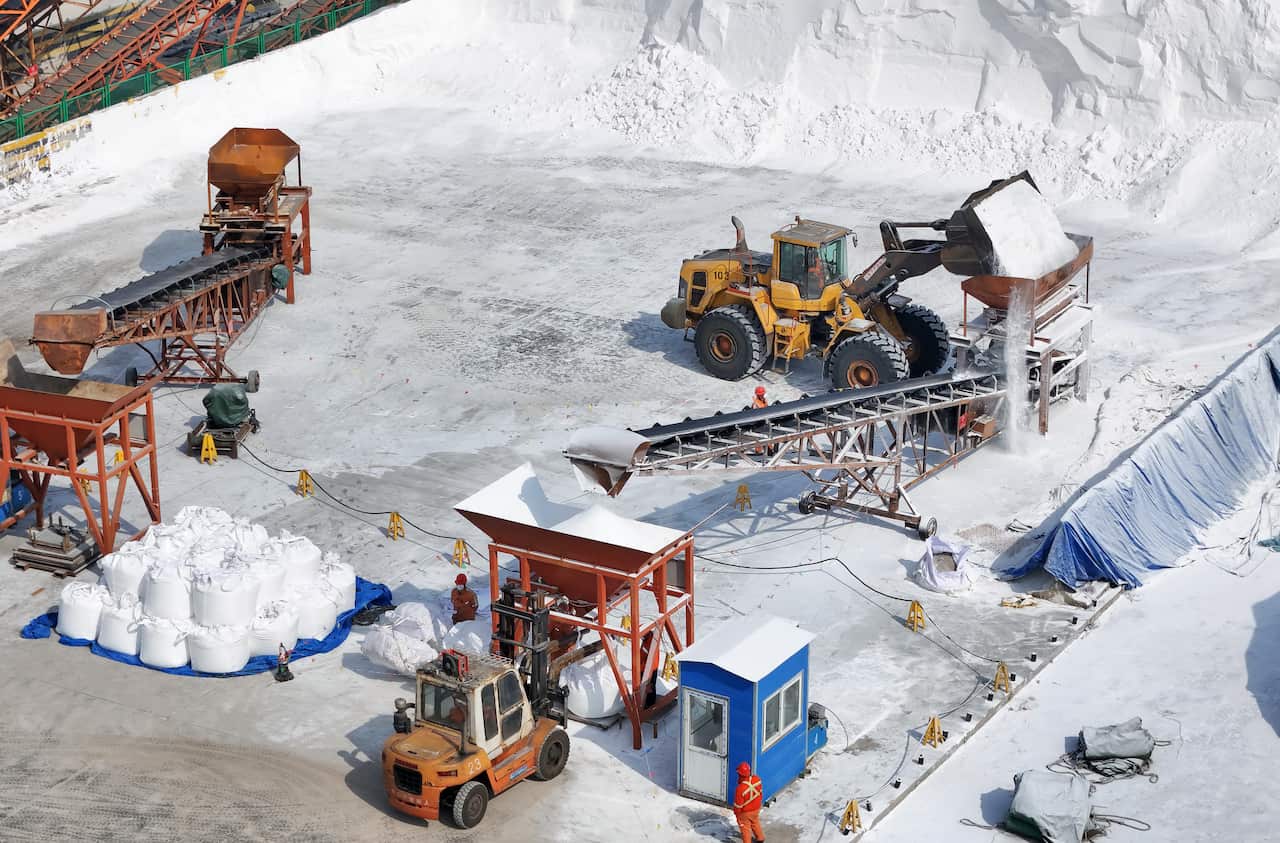
Fertiliser, industrial chemicals, aluminium, and other products essential to food, technology, and medicines are all impacted by the shutdown in cargo traffic through the narrow waterway.
The average liquid natural gas price for June delivery into northeast Asia was US$16.70 per million British thermal units last week, nearly 61 per cent above pre-war levels.
Goldman Sachs analysts lifted year-end oil price forecasts sharply from US$80 ($111) to US$90 ($125) a barrel for Brent crude, assuming Gulf exports normalise by the end of June.
"Non-linear price increases are likely if inventories drop to critically low levels, which we have not seen in the last few decades," they warned in a note, meaning the price could rise substantially if the reduction in oil supply is sustained.
The Australian response
The RBA is widely expected by major banks to raise interest rates in May, bringing the cash rate to 4.35 per cent, a rate it is not expected to drop below until "mid-to-late" 2027, NAB predicts.
Commonwealth Bank economists have tipped inflation to rise almost a full percentage point for the month, from 3.7 per cent to 4.6 per cent.
The trimmed mean, which excludes more volatile price increases like petrol costs, is expected to climb up from 3.3 to 3.5 per cent, the bank says. Both figures are well above the 2 to 3 per cent band that the RBA targets for inflation.
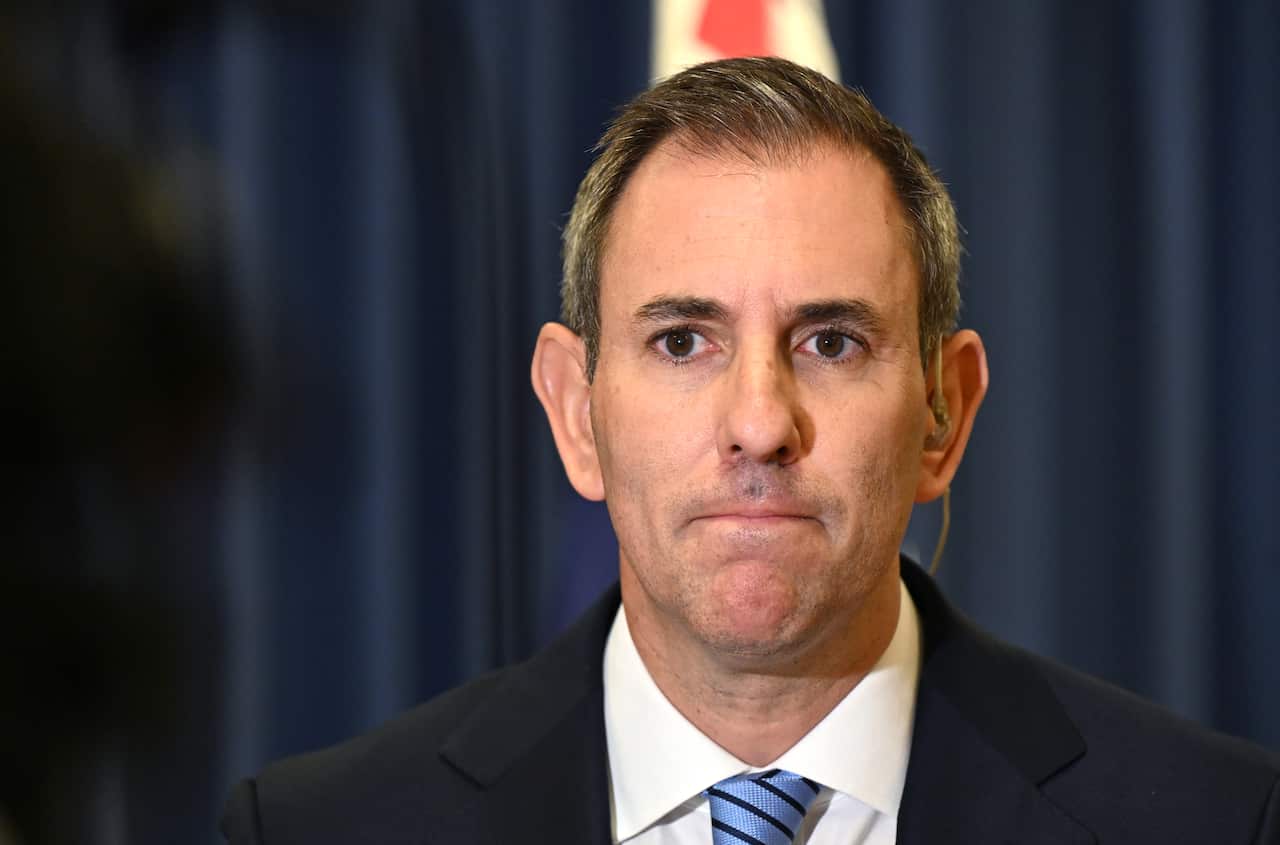
With the federal budget due in two weeks, Treasurer Jim Chalmers has appeared gloomy on Australia's economic outlook.
Following his recent attendance at the IMF-World Bank Spring Meetings in the US, the treasurer said it was a "really dangerous time" for the global economy.
"The IMF is sounding the alarm on some pretty severe scenarios," Chalmers told reporters in Brisbane.
"Australia is better placed and better prepared than a number of other countries. We won't be spared the fallout from this very substantial economic shock."
Jericho suggested that cost-of-living measures would be targeted to relieve pressure on consumers in the upcoming budget, but that a touted 25 per cent increase on natural gas companies would go much further in helping to weather the economic shocks.
"It would be a really missed political as well as economic opportunity," he said of the proposal supported by some crossbenchers, which the government has already poured cold water on.
"The government is going to have to stand up and say, 'We've had to make all these massive cuts to the [National Disability Insurance Scheme] and all these other things, because we couldn't afford it'".
"And everyone's going to go, 'Well, you could have afforded it. You just chose to keep giving the gas industry a free pass.'"
The prime minister has cited the gas industry's multi-billion-dollar investments in extraction as an argument against adding an additional tax.
Fuel crisis
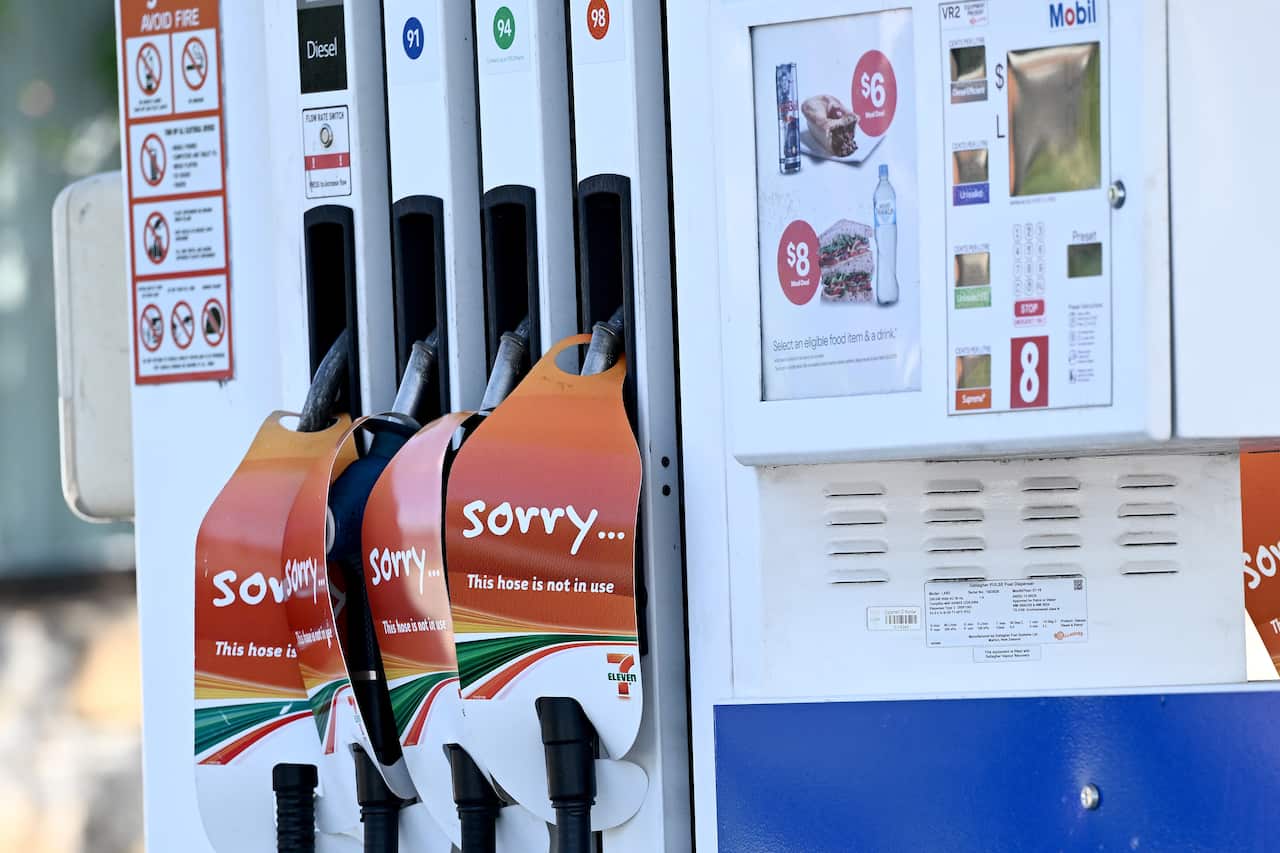
Since the conflict's outbreak, questions have been raised about Australia's fuel security.
While the government has now increased domestic petrol reserves from 36 days to 46 days, Prime Minister Anthony Albanese told reporters last week that "we're in deeply tumultuous and turbulent global times".
Professor Tina Soliman-Hunter, co-director of the Transforming Energy Markets Research Centre at Macquarie University, told SBS News that the government has very little control over the price of fuel in a privatised economy and should do what it can now to ensure the country does not run dry.
"We're only at tier two [of the four-tier national fuel security plan]," she said. "I think we should immediately be put up to tier three. That means being very conservative with our fuel.
"This is not going away. Instead of waiting to react, why don't we be proactive?"
US President Donald Trump initially suggested in an interview with the New York Times that the war would last "four to five weeks" and has since variously stated that the conflict would be "wrapped up soon" and that the US is prepared to fight it indefinitely.
Last week, Trump unilaterally extended the two-week ceasefire with Iran, however he cancelled a trip to the Pakistani capital of Islamabad by US envoys for talks over the weekend.
US outlet Axios has reported that Iran wants to make a deal on opening the Strait of Hormuz first while postponing talks on the sticking point of its nuclear capabilities until later.
"I think we need to expect more of the same and a little more tightening of belts," Soliman-Hunter said of the hazy timeline. "I would expect 10 to 20 per cent higher costs."
"The government should be looking at ways to steady the ship, to tell people what to expect and how they're going to be able to guide us."
Australian farmers have already issued similar warnings about 20 per cent increases to grocery prices looming as sowing seasons have suffered.
This story was produced in collaboration with SBS Arabic.
— With additional reporting by Reuters and the Australian Associated Press.
For the latest from SBS News, download our app and subscribe to our newsletter.







