La'asaga Muamua i Feso'ota'iga ma Tagata Muamua o Ausetalia

Australia Explained: Indigenous Connections

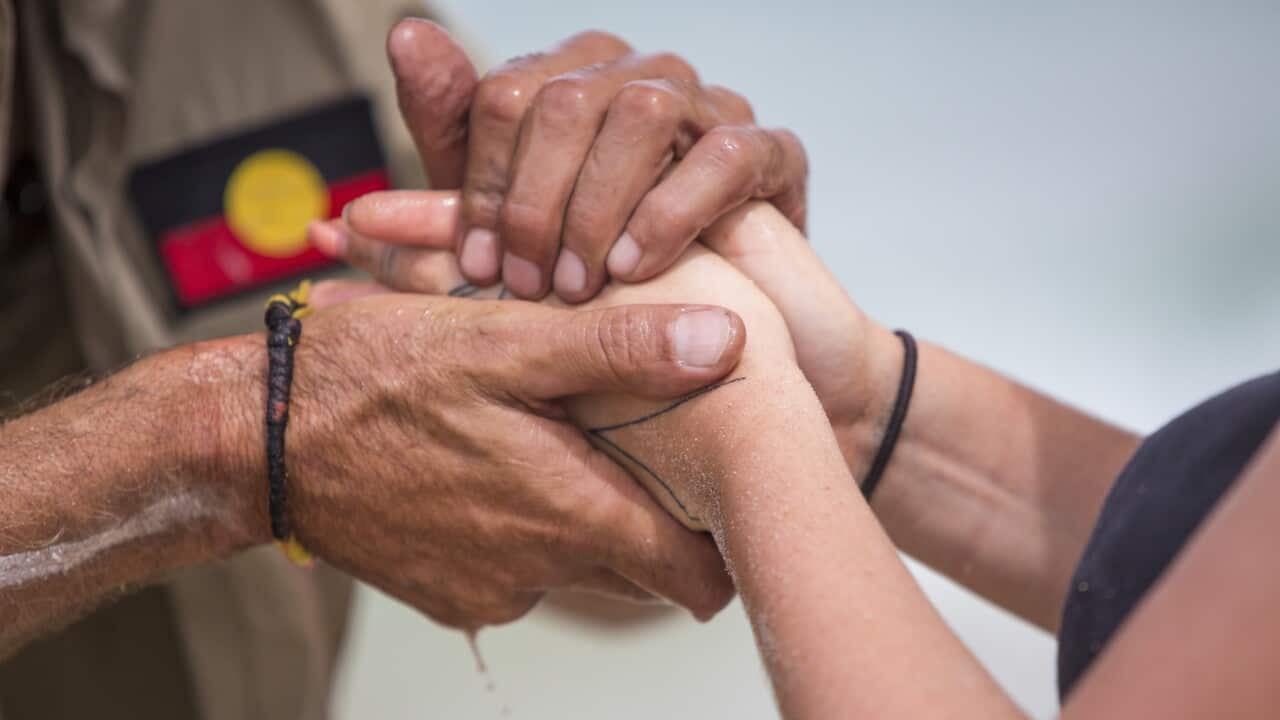
No matter where you live in Australia, you are on the lands and waters of Australia’s First Peoples. Credit: Matthew Micah Wright/Getty Images

O feso’ota’iga muamua a tagata fa’ato’a taunu’u mai i Ausetalia ma tagata muamua o le atunu’u, e ono faigatā mo nisi. O fea e tatau ona amata ai? Na matou fesiligia le tinā ia Shannan Dodson, o se tama’ita’i Yawuru, ma o ia fo’i le fa’atonu o le Healing Foundation.


Key Points
  • O tagata Aboriginal ma atumotu Torres Straits i Ausetalia, e tupuga ma afua mai i le tele o nu'u, gagana ma aganu'u 'ese'ese.
  • O le auai ma molimauina nisi o sauniga fa'apitoa ma fa'afiafiaga a Tagata Muamua, e mafai ona maua ai se va'aiga i nisi oa latou tu ma aga.
  • O se vaega o le fa'aaloalo i tu ma aga a tagata muamua le auai atu e molimau ma silasila, ae le o le fa'amasino pe so'ona su'esu'e vale.
O le malamalama i le filogia o tu ma aganu'u a Tagata Muamua i Ausetalia, o se vaega taua o le soifuaga o soo se tagata ua malaga mai ma aumau i'inei. O se fa'amatalaga lea mai le fa'atonu o le Healing Foundation, le tama'ita'i Yawuru, Shannan Dodson.

“Understanding that there is not just one sort of homogenous culture. There are hundreds of different languages across the country.

“And even being able to educate yourself about that vastness, I think is really important.”
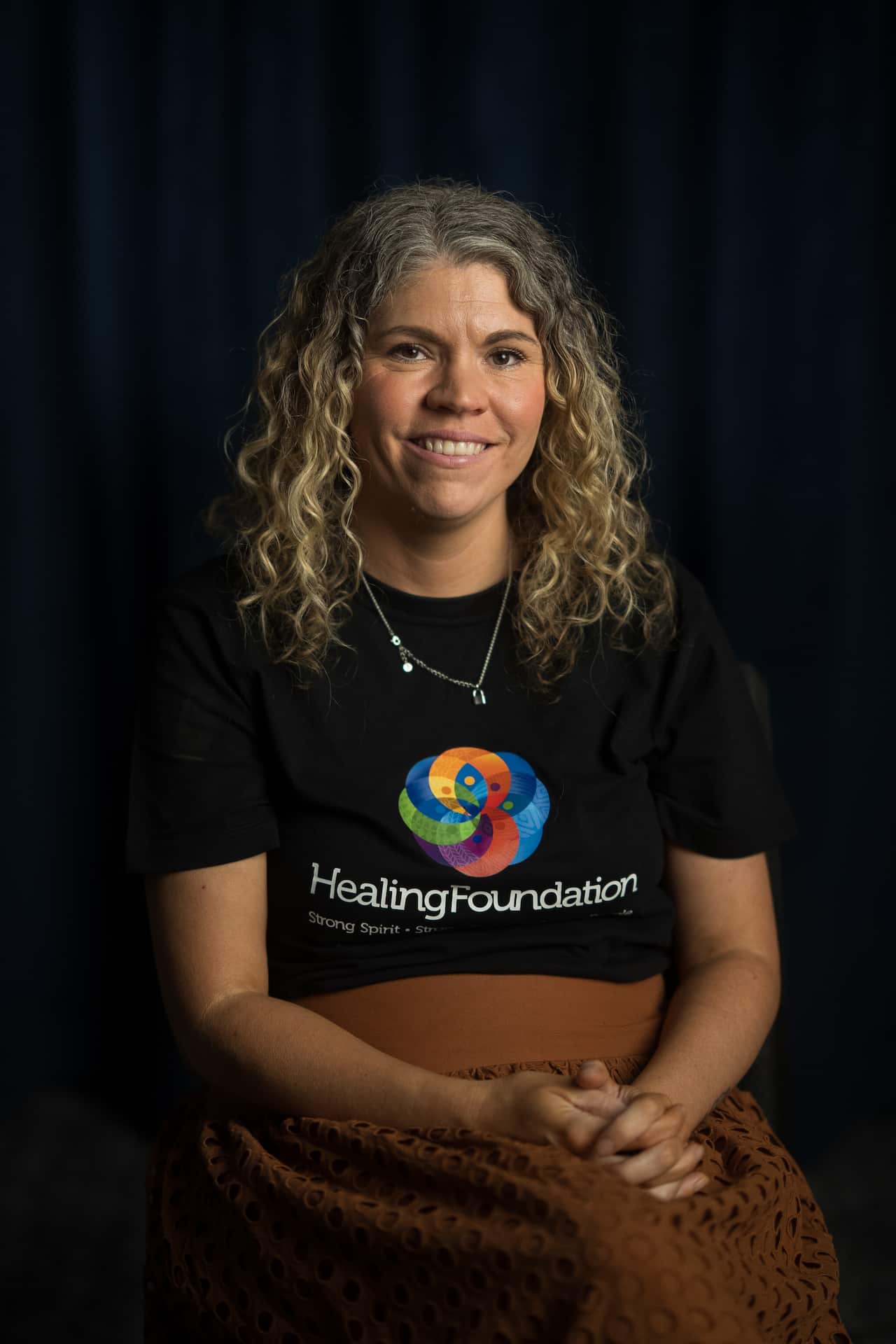
Healing Foundation_Canberra-07 (1).jpg
“It's important for anyone living in Australia to understand that Indigenous people have cared for this Country for tens of thousands of years,” Shannan Dodson says. Photo: The Healing Foundation.
O tagata Aboriginal ma atumotu Torres Straits, e tele itu'aiga tu, aganu'u ma gagana e afua mai ai. E pei ona saunoa Shannan Dodson, e taua lou silafia o tagata muamua i le pitonu'u poo le alaalafaga o loo e aumau ai i Ausetalia.

E fa'apefea ona ou malamalama i Tagata Muamua i le pitonu'u o loo o'u nofo ai?

“Understanding where you live and knowing what Country you're on.

“It's very easy these days to find out who the Traditional Owners are in your area.”

E fa'apefea ona ou feso'ota'i i Tagata Muamua o Ausetalia?

Mo se fa'afanua o tagata muamua i Ausetalia atoa, e mafai ona e mauaina i le itulau i le 'upega tafa'ilagi, le Australian Institute of Aboriginal and Torres Strait Islander Studies website.

A fia maua se avanoa e te feso'ota'i ai ma fesoasoani lagolago i tagata muamua, amata i le pitonu'u poo le alaalafaga o loo e aumau ai.

“Look at how you can better form relationships with local Aboriginal organisations.

“Whether that may be volunteering, providing some type of support, or even just share information with your peers and family members.”
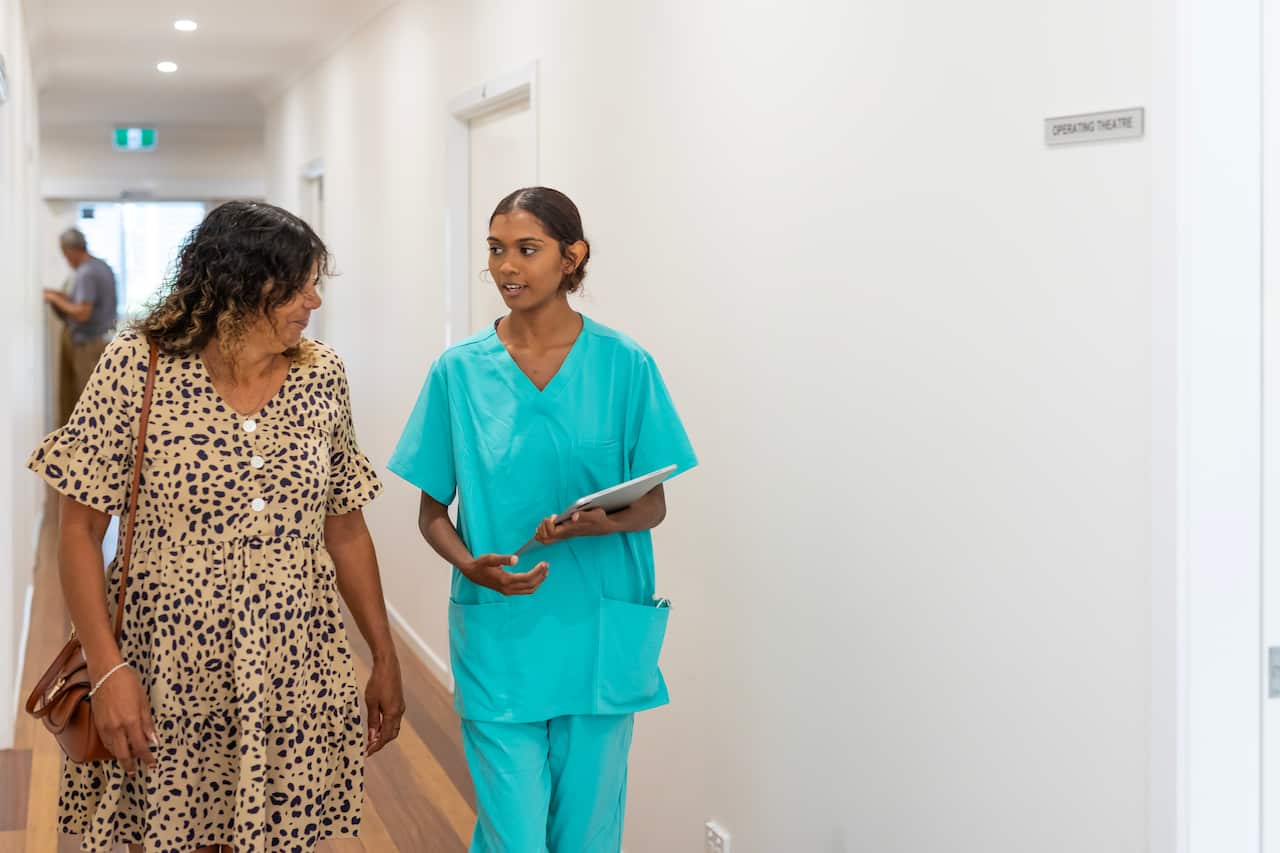
Australia Explained: Indigenous Connections
Some Indigenous organisations focus on issues specific to their state and territory while others work on nationwide Indigenous affairs, for example aged care. Credit: davidf/Getty Images

O fea ou te maua ai ni fa'amatalaga fa'atuatuaina i tagata Aboriginal ma atumotu Torres Straits i Ausetalia?

E tele auala e mafai ona e mauaina ai i luga o le 'upega o feso'ota'iga.

Na fautuaina e Ms Dodson auala nei e tolu e amata ai:

O a ni sauniga fa'amanatu e masani ona faia e Tagata Muamua i Ausetalia?

O le auai i nisi o sauniga fa'amanatu, o se tasi lea o auala e maua ai se iloa ma le silafia i nisi o tu ma aga a tagata muamua.

“There's a lot of opportunities to engage pretty much in every state and territory,” saunoa ai Ms Dodson.

Fai ma fa'ata'ita'iga, le vaiaso o le National NAIDOC Week i le vaiaso muamua o Iulai i tausaga ta'itasi.

NAIDOC Week was born out of celebrating Aboriginal and Torres Strait Islander cultures in a positive, open and sharing way, not only for those communities, but also for the broader Australian community to be able to celebrate.
Shannan Dodson, CEO of the Healing Foundation
O le National Reconciliation Week, e famanatuina i le Aso 27 o Me e tau i le Aso 3 o Iuni i tausaga uma e fa'amanatu ai le palota le 1967 referendum ma le fa'ai'uga a le Fa'amasinoga Maualuga le High Court Mabo decision.

O le fa'amanatuina o le Fa'ato'esega i Tagata Muamua, le Apology to Australia’s Indigenous Peoples i le Aso 13 o Fepuari, e soso'o ma le National Sorry Day, i le Aso 26 o Me i tausaga ta'itasi.

E fa'amanatuina ai le sauaina o tagata muamua i le 'ave'esea fa'amalosi o fanau le ‘Stolen Generations’ of Aboriginal and Torres Strait Islander children mai le 1800 i le 1980.

“It is an opportunity to come together as a country to pay respects to the people who suffered at the hands of those policies.

“And also, to understand the ongoing trauma that many communities are still facing.”
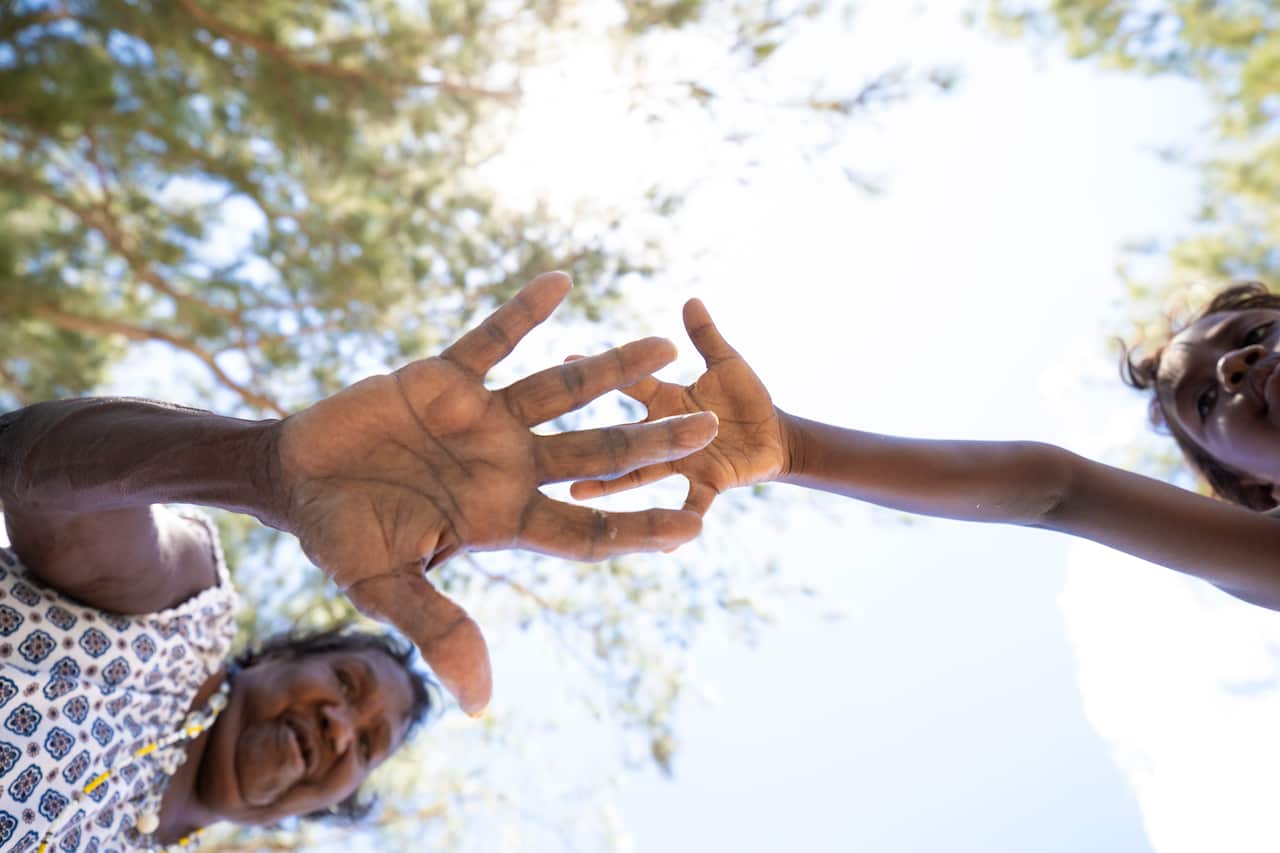
Australia Explained: Indigenous Connections
It’s easy to make mistakes if you come across a myth or stereotype around Aboriginal and Torres Strait Islander people and culture. Credit: WANDER WOMEN COLLECTIVE/Getty Images

E fa'apefea ona ou lagolagoina Tagata Muamua o Ausetalia?

E taua tele ona iloilo ma mafaufau muamua i le mafua'aga e te faia ai se fesoasoani lagolago.
“Being a respectful ally or someone who is wanting to learn more, means listening with an open mind, walking beside not leading, and thinking about how you're amplifying those Indigenous voices in a way that they choose and are in control of.”

“Show up with an open heart and open mind.

"Our communities are very welcoming, and we are wanting to share about who we are, our histories, our culture."
If you can show up, that's the first step to building those better relationships.
Shannan Dodson, CEO of the Healing Foundation
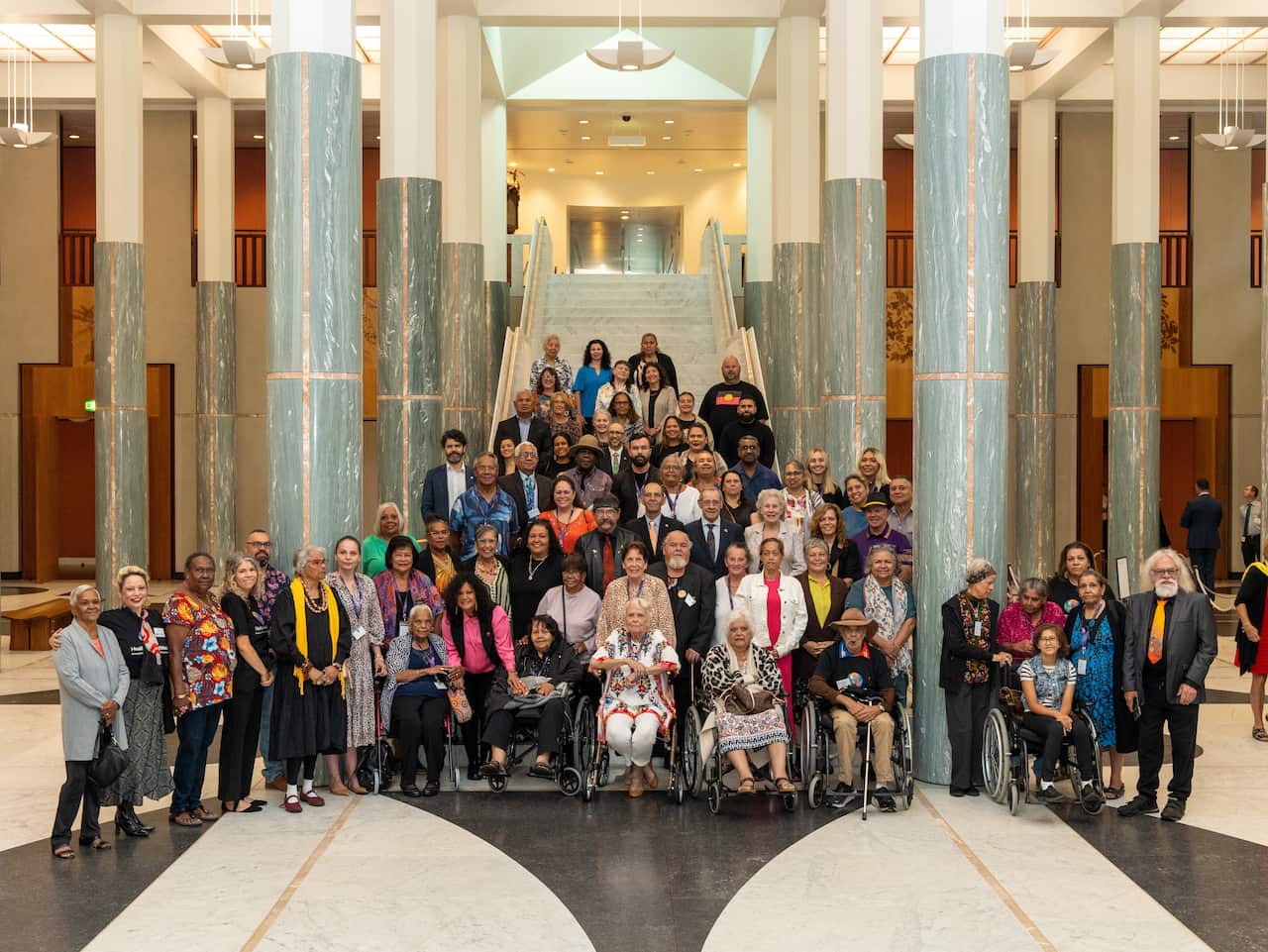
Survivors group shot.jpg
Group shot from the February 2025 anniversary of the National Apology to the Stolen Generations. It includes survivors, descendants, THF staff, Minister for Indigenous Australians Malarndirri McCarthy and other community members. Photo: The Healing Foundation

Ae fa'apefea pe a sasi sa'u fa'amatalaga e faia i luma o se Tagata Muamua?

E 'umi se taimi fa'ato'a mafai ona malamalama se tagata i tu ma aganu'u ua faitau afe ma afe tausaga o fa'atinoina e tagata muamua i Ausetalia ae le'i taunu'u mai faigamalo kolone a papalagi.

Na saunoa Shannan Dodson, e iai taimi e ono popole ai se tagata ina ne'i "sese se aga poo se lafoga e faia" i se tagata muamua.

“But I don't think that that fear should stop people from engaging.

"Because the whole point is to be open, to be asking questions. And most people would know how to do that in a respectful way.”
Subscribe to or follow the Australia Explained podcast for more valuable information and tips about settling into your new life in Australia.   

Do you have any questions or topic ideas? Send us an email to australiaexplained@sbs.com.au 

spk_0

SBS acknowledges the Traditional Custodians of Country and their connections and continuous care for the skies, lands and waterways across Australia.

spk_1

You're listening to Australia Explained, an SBS audio podcast helping you navigate life in Australia.

spk_2

I'm Lowanna Grant, executive producer of NITV Radio, and I'll be your host for this special episode of the Australia Explained. If you're new to Australia, you might notice many references to traditional owners, country, or First Nations. Many people settling here want to understand what that means and how to engage in a respectful way. Taking those first steps can feel uncertain, but they're part of learning how to Place works and finding your footing.

spk_2

Australia's First Nations people have lived on and cared for this land for more than 60,000 years. Understanding and respecting this connection can help you feel more grounded as you settle into your new home. In this episode, we share simple and meaningful ways to start learning about First Nations cultures and communities, no matter where you live and no matter your English level or background.

spk_2

Moving to a new country can be overwhelming. Many migrants want to connect with indigenous cultures but feel unsure about the right way to start. Some worry about saying the wrong thing, while others simply don't know where to begin. So what does a meaningful first step actually look like? We asked Yawuru woman Shannan Dodson, the CEO of the Healing Foundation, to guide us. She says the journey begins with understanding that there is no

spk_2

single "indigenous culture", there are actually many.

spk_3

There is importance in being able to educate yourself around the story of Aboriginal and Torres Strait Islander people as a unique people that have the oldest continuing cultures in the world and understanding that there is not just one sort of homogeneous culture. There's hundreds of different languages across the country and even just to be able to educate yourself about.

spk_3

That vastness, I think is really important.

spk_2

This first step can be done online in your own time and in plain English. Learning about the diversity of First Nations peoples can make you feel more confident and prepared when you meet people face to face. Once you've taken some time to learn about this diversity, the next step is to understand the country you live on now, the land you walk on, work,

spk_2

and raise your family on.

spk_3

It's important to try and find some connections with your local community, understanding where you live and knowing what country you're on. It's very easy these days to find out who the traditional owners are in your area, and there are often ways to be able to connect with traditional owners or Aboriginal people in your area, whether it be through

spk_3

Aboriginal land councils or cultural centres or other Aboriginal groups that do community events.

spk_2

A simple search using the words traditional owners plus your suburb will often give you reliable results. Your local council website is another great place to start. If you're living in a regional area, these websites often list community festivals, local tours, workshops, or family-friendly events.

spk_2

For a broader view, every state and territory has indigenous organisations that offer culture-specific resources. These can help you learn at your own pace. Shannon Dodson adds that national organisations can also support you as you start your journey. The list is not exhaustive, but it's a solid place to begin.

spk_3

The Healing Foundation is an organisation that supports Stolen Generation survivors

spk_3

and stolen generation organisations. There's also the Australian Institute of Aboriginal and Torres Strait Islander Studies, which has a great amount of resources around language and culture and historical records. You also have Reconciliation Australia which has information about the reconciliation process in Australia and how we can better relationships between indigenous and non-Indigenous people.

spk_2

You might feel more comfortable joining group activities, Shannon says this is a great option.

spk_2

Across Australia, there are many community-led events that welcome people from all backgrounds.

spk_3

There's NIDOC Week every year in July, which was really born out of celebrating Aboriginal and Torres Strait Islander cultures in a really positive, open, and sharing way. We also have Reconciliation Week, end of May, early June.

spk_3

And one of the huge events for our organisation is the annual anniversary of the apology to the Stolen Generations in February, but also Sorry Day, which is in May.

spk_2

These events often include music, art, dance, food, and storytelling activities that don't require strong English skills and are often suitable for families. Assefa Bekele from the Sydney Ethiopian Community has experience working with the indigenous community.

spk_2

He explains how engaging with First Nations cultures can help you cultivate a sense of belonging.

spk_4

It's very important. I used to be a multicultural community liaison officer here in New South Wales. And there must be some sense of belonging for every individual, every citizen, particularly those who came from overseas and the Indigenous Australians who lived here for almost over 60,000 years.

spk_4

And it's better to share history, culture and everything, and really develop the sense of belonging and togetherness.

spk_2

However, for many new arrivals, there might be a fear of making mistakes. Ms Dodson says that many people, both migrants and long-term Australians, feel nervous about doing or saying the wrong thing.

spk_3

I think sometimes there is a fear of getting it wrong or saying the wrong thing, which I understand, but also I don't think that that fear should stop people from engaging because the whole point is to be open, to be asking questions, and most people would know how to do that in a respectful way with anyone. It doesn't matter if you're Aboriginal and Torres Strait Islander or anyone.

spk_2

Building meaningful relationships requires trust and takes time. Listening is the most important skill. No special knowledge needed, but it all starts with one step, Ms Dodson says.

spk_3

I think my advice is to show up, to have an open heart and an open mind. Our communities are very welcoming, and we are wanting to share about who we are, our history,

spk_3

our culture, our communities, and I think that if you can show up, that's the first step to building those better relationships.

spk_2

Whether you've been in Australia for 6 months or 6 years, connecting with Indigenous Australia is not about being perfect. It's about being present, being curious, and being respectful. For many new migrants, it can also be a powerful way to feel more at home.

spk_2

Thank you for listening to this episode of Australia Explained, written and produced by Zoe Thomaidou. Sound design and mix is by Maram Ismail, Australia Explained managing editor is Roza Germain, and I'm Luna Grant. Until next time.

spk_1

This was an SBS audio podcast. For more Australia explained stories, visit sbs.com.au/Australiaexplained.

spk_5

Subscribe or follow the Australia Explained podcast for more valuable information and tips about settling into your new life in Australia. Do you have any questions or topic ideas? Send us an email to australiaexplained@sbs.com.au.

END OF TRANSCRIPT

Share
Follow SBS Samoan

Download our apps
SBS Audio
SBS On Demand

Listen to our podcasts
Independent news and stories connecting you to life in Australia and Samoan-speaking Australians.
A podcast series exploring the world of rugby league from a Samoan perspective.
Get the latest with our exclusive in-language podcasts on your favourite podcast apps.

Watch on SBS
SBS World News

SBS World News

Take a global view with Australia's most comprehensive world news service