The government's fifth federal budget is being delivered amid major economic challenges posed by the war in the Middle East, with an uptick in inflation driven by global supply chain shocks.
Treasurer Jim Chalmers is also facing pressure to wield the political capital perceived to come from Labor's 2025 victory, which saw their majority increase to 94 seats in the lower house.
EY's Oceania chief economist Cherelle Murphy said Treasury doesn't have much flexibility due to the "really difficult [economic] backdrop".
When asked what numbers economists will focus on, she told SBS News it'll be the "comprehensive picture of spending versus savings, and what it does to the debt trajectory".
Murphy outlined the three major focus areas as savings, productivity and tax reform; however, she said it's the "scale of the policies" and their impacts that will matter.
News that makes sense
Your trusted source for staying up-to-date with the world around you. Get free daily news updates and analysis, straight to your inbox.
Spruiking the budget ahead, Chalmers refused to weigh in on specifics, but said addressing housing challenges, particularly to address intergenerational inequity, will be central.
"From our point of view, the status quo in the housing market and the tax system is unfair, and that makes it unacceptable to us," he told SBS News on Sunday.
"And so we will respond to some of those legitimate concerns that people have about intergenerational fairness and other issues, particularly when it comes to young people's ability to access the full opportunities of an economy like ours."
Questions over major tax reform
The government has signalled that it will target intergenerational inequity through changes to capital gains tax (CGT), negative gearing and family trusts.
CGT and negative gearing were central to Labor's 2016 and 2019 election pitches, but were fervently denied in the lead-up to the 2025 election, with the Coalition labelling any changes a "broken promise".
The 50 per cent CGT tax is expected to be replaced with inflation indexation from July 2027, while negative gearing will be restricted to new builds.
Negative gearing allows property investors to offset losses from running a property against their income, while the CGT halves the amount of tax they have to pay on any profit when they eventually sell.
Both changes will reportedly have a one-year grace period, coming into effect in July 2027.
Phasing back EV incentives
Electric vehicles under $91,387 will no longer be exempt from the fringe benefits tax, with the government slowly phasing out the incentive to a 25 per cent discount over a two-year period.
From April 2027, the full exemption will be limited to vehicles under $75,000. Electric vehicles between $75,000 and $91,387 will instead receive a permanent 25 per cent discount on the fringe benefits tax.
From April 2029, all EVs under $91,387 will receive only the 25 per cent discount.
Boost to defence spending
Australian defence spending will increase by $53 billion over the next decade, reaching 3 per cent of gross domestic product by 2033.
United States President Donald Trump's administration has called on its allies to boost spending further, with US defence secretary Pete Hegseth urging Australia to increase its budget to 3.5 per cent.
Fuel package
A $10 billion fuel security package will increase the minimum stockholding obligation of fuel to at least 50 days, an increase of about 10 days.
The package includes a government-owned fuel reserve — holding one billion litres of diesel and aviation fuel — as well as a new fuel and fertiliser facility to boost supply and storage.
A further $2.55 billion is being spent on cutting the fuel excise and heavy road user charge, both expected to end by July, as immediate cost-of-living relief for households.
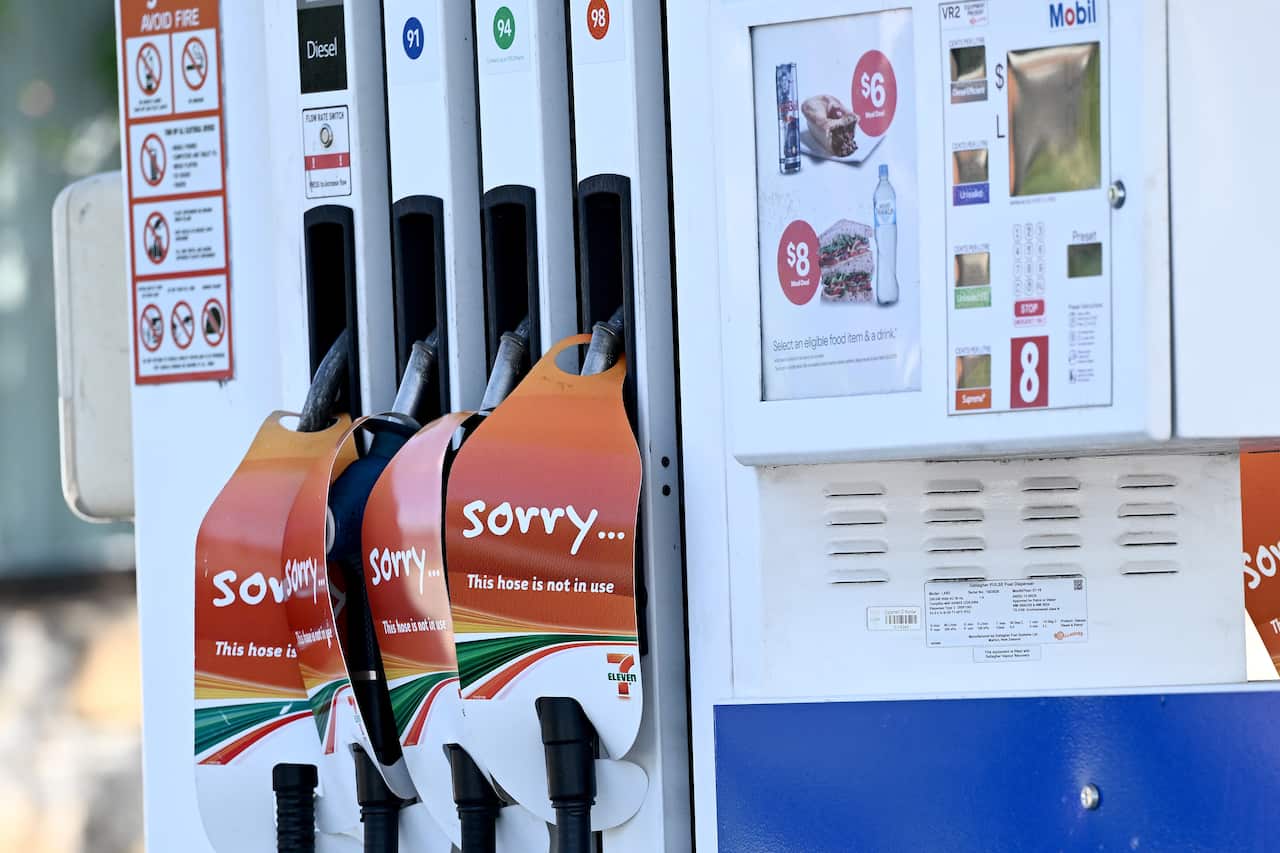
It remains unclear if the three-month halving of the fuel excise, a cut of 26.3 cents per litre, will be extended if oil prices continue to soar.
Unlocking new homes
A $2 billion investment in critical infrastructure — including sewerage, water and power — is aimed at supporting the construction of 65,000 additional homes.
The four-year funding package aims to support housing developments in areas lacking critical infrastructure, with a quarter of the funding reserved for regional Australia.
A further $500 million has been set aside to streamline environmental approvals for new builds, including housing.
Tax cuts?
Australians will be able to instantly claim a $1,000 tax deduction on their 2026-27 return, without producing receipts. The measure will impact 6.2 million citizens, saving an average of $205.
A one-off tax cut of $200 to $300 is still on the table, with the prime minister refusing to confirm whether it'll be included in this year's budget.
There are reports that the measure will be implemented but delayed until next year, so as not to hinder efforts by the Reserve Bank in taming inflation.
As part of a productivity package, the government will make the $20,000 instant asset write-off for small businesses permanent.
Cuts to NDIS and public service
The federal government will overhaul the NDIS scheme — tightening eligibility, cracking down on provider fraud and reducing financial support to some programs — in an attempt to rein in annual spending, which has surpassed $50 billion.
Health Minister Mark Butler forecast the changes would save $22 billion over the forward estimates.
Roughly 160,000 Australians are set to lose access to the NDIS by the end of the decade after the government announced a target of 600,000 participants.
Another $2.7 billion in savings is expected to come from slashing external labour, consultants and non-wage spending like travel.
Funding for youth homelessness
This budget sets aside $60 million over four years to subsidise accessing community housing for 19-24 year olds, the cohort now most at risk of homelessness in Australia.
Community housing charges rent based on someone's income. But because ABSTUDY and youth allowance are both lower than other income support payments, some housing providers can't afford to rent to young people.
In its first year, the funding is earmarked to help 2,300 young people before scaling up to helping 4,300 young people by 2029.
How to tune into the 2026 federal budget
The treasurer's speech will be streamed on the SBS News website and mobile app, and on the SBS News YouTube and Facebook pages at 7.30pm AEST.
SBS World News will also broadcast a federal budget special at 10pm AEST, featuring full analysis of what the budget means for you.
You can watch on free-to-air television, the SBS News YouTube and Facebook pages, or SBS On Demand.
The SBS News online team will also be live-blogging the federal budget from 4.30pm AEST.
The budget papers will be made available to the public on the Government Budget Portal.
For the latest from SBS News, download our app and subscribe to our newsletter.







