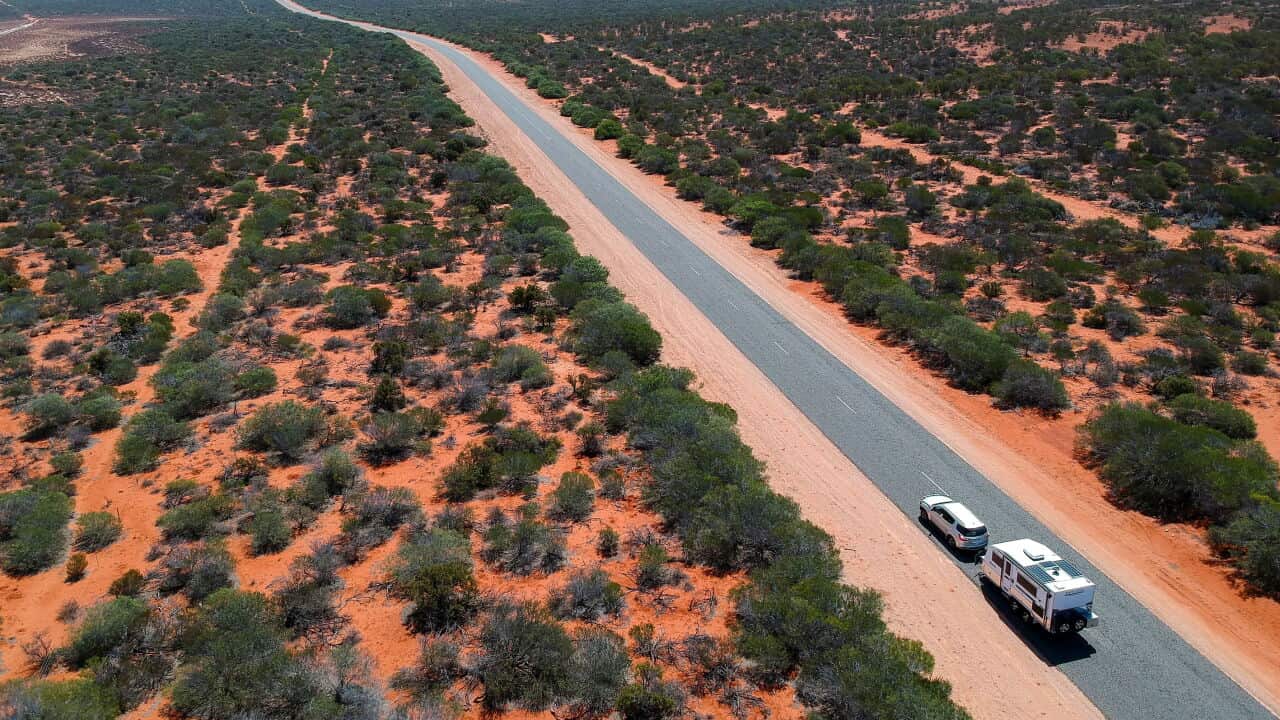


Summer in Australia can be very hot, and as our climate continues to warm, heatwaves are expected to become more frequent and more intense. In this episode of Australia Explained, we cover what a heatwave is, why they pose such a significant risk to human health, who is at most risk, and how to best prepare to cope with a heatwave.
Key Points
- Heatwaves are when the temperature remains hot during the day and night in a location over three or more days.
- The release of Australia's first National Climate Risk Assessment, highlights that in a warming world, heatwaves are becoming more frequent and more intense.
- In Australia, heatwaves claim more lives than any other natural hazard, and pose a particular risk to the elderly, those suffering from underlying health conditions, very young children, and pregnant women.
- What is a heatwave?
- Why are heatwaves dangerous?
- Why are heatwaves of particular risk for pregnant women?
- How should you prepare for a heatwave?
- What should you do to cope during a heatwave?
- What design features in buildings can help reduce the impact of heatwaves?
- Where can I get more information about heatwaves?
What is a heatwave?
Heatwaves are when the temperature remains hot during the day and night in a location over three or more days.
The Australian Climate Service recently released Australia's first National Climate Risk Assessment, which highlighted that in a warming world, our natural hazards are changing.
Extreme weather events such as heatwaves will become more frequent and intense, which will have social, health, economic and environmental impacts.
Infrastructure such as homes and workplaces can often have difficulty functioning to remain cool during a heatwave, making it an uncomfortable time for people and a risk to our health.
“What we're seeing over the last 20 years or so is that the number of heat waves is increasing. The duration of the heat waves, they're lasting longer and also they're more severe as well,” explains Professor Ollie Jay, the Academic Director of the Heat and Health Research Centre at the University of Sydney.
As heatwaves become more common in Australia, it’s important to know about the risks they pose and how to cope.
Why are heatwaves dangerous?
Heatwaves are dangerous because of the combined environmental factors which cause heat stress, and the impact of this on our body which is the heat strain.
“Heat stress is the features of the environment; the temperature - which is measured in the shade, the accompanying humidity, whether you're in direct solar radiation or not, and also how windy it is as well. The heat strain is the physiological strain that your body is experiencing,” says Professor Jay.
When our body experiences heat strain, the body temperature rises, increasing the risk of heat stroke, an inflammatory response syndrome which can be potentially fatal.
“But it's not really heat stroke that is responsible for the majority of hospital cases or deaths during heat waves. What we see is a big spike in catastrophic cardiovascular events,” Professor Jay explains.
People with heart disease, they often are at much greater risk of having a heart attack during a heat wave, so really your body is redirecting all this blood away from the body core towards the skin surface to try to keep you cool. And that places a lot of strain on the heart.Professor Ollie Jay
At the same time our bodies sweat a lot in order to try to increase our evaporative heat loss to keep the body cool, Professor Jay says.
“So that results in the risk of progressive dehydration, which then aggravates the risk of heat stroke, but also aggravates cardiovascular strain for people who have those issues.”
Older people are at more risk of overheating during heatwaves because their bodies are less able to sweat.
In Australia, heatwaves claim more lives than any other natural hazard.
“Heat waves are called a silent killer, because they stress our bodies and they can worsen chronic diseases - so people who've already got underlying health problems,” explains general practitioner Dr Michelle Hamrosi.
“We also know that mental health is impacted by heat waves. Hospital presentations increase significantly from mental health conditions during heat waves, including increased rates of suicide and violence.”

Why are heatwaves of particular risk for pregnant women?
Dr Hamrosi explains that heatwaves can also be a risk for pregnant women.
“If you become overheated, that really can affect the baby's health. And you can have increased risk of dehydration, increased blood pressure and go into early labour.”
Rebecca DeMarco experienced the health impacts of heatwaves during her pregnancies for each of her three children.
“I experienced things like a heat rash, dehydration very quickly, almost at a point of heat stroke a few times. I am the type of person that likes to be outdoors and doing things, so I guess that exacerbated the symptoms as well,” shares Rebecca.
“And then in terms of newborns, similar sort of things, very bad heat rash and dehydration and I guess also the anxiety that comes with managing all of this as well.”
Rebecca says the key with learning how to cope with the heat when pregnant, is being aware of what’s coming and planning ahead.
How should you prepare for a heatwave?
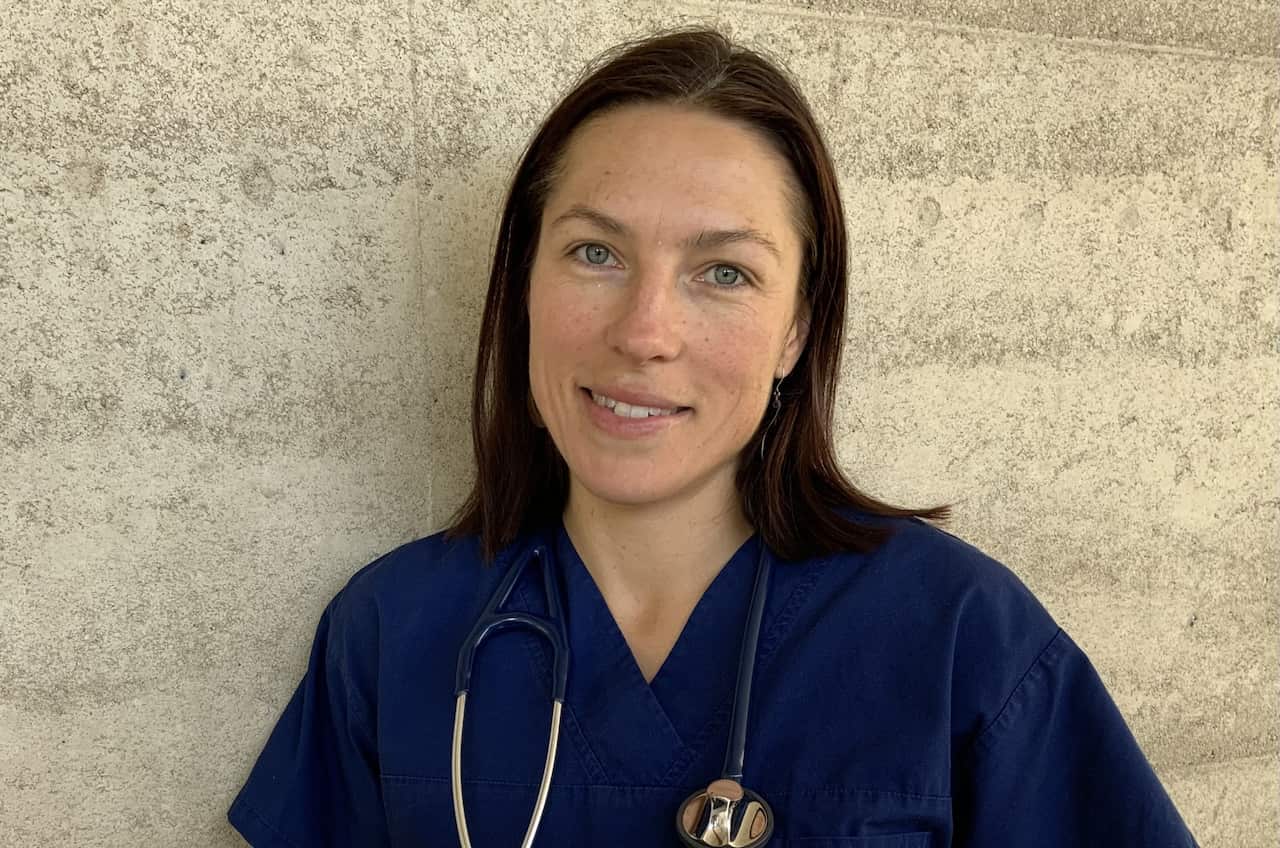
To prepare for a heatwave, it’s important to have a heatwave plan.
“Consider things like, where is the coolest part of your house? Can you create a cool refuge? It could be the one room in the house that has an air conditioner. Also think about if you don't have access to cooling in your own home, where could you go? Could it be a family or friend's house, your local library, shopping centre or heat refuge,” Dr Hamrosi explains.
“Power outages can occur during heatwaves so it’s also really important to plan for this. Do things like putting bottles of water in the freezer, having little spray bottles of water to mist yourself, and making sure you keep things like food and medications in the fridge.”
Open your windows if there’s a breeze outside, and close them when its hotter outside than inside the home.
What should you do to cope during a heatwave?
When a heatwave hits, have a routine to follow to keep cool.
“The first thing I do in my own home is, early in the morning I close up all my blinds around the house and put my fans on. Fans are a really effective way to keep cool, especially if you can keep your skin a bit damp while sitting under a fan,” Dr Hamrosi says.
“If you put the air conditioner on, set it to 26 degrees and that can really help you save power while keeping cool. And of course, drink a lot of water regularly during the day.”
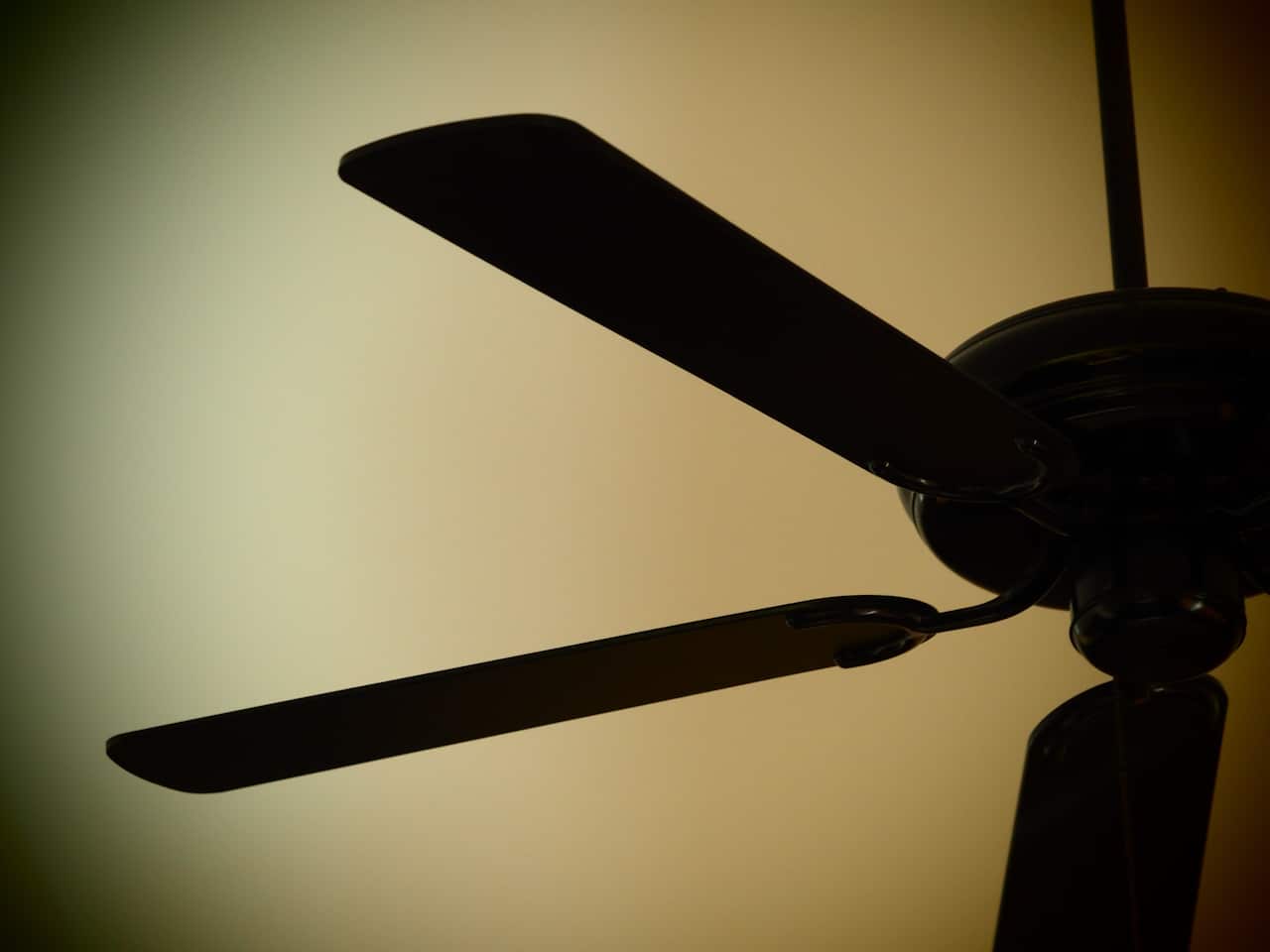
Using ceiling fans can be beneficial, but only up to a certain point, as Professor Jay explains.
“Fans actually end up aggravating heat stress, so making the problem worse, when the air temperature is above 40 degrees Celsius... So use ceiling fans while it's below 40 degrees Celsius, but if it's above 40 degrees Celsius, then you're better off not using a fan,” Professor Jay says.
Other ways to stay cool include having a cold shower, placing a cold towel around your neck, wearing loose-fitting clothing, and planning when to be outdoors, as Dr Hamrosi explains.
“Can you avoid going out in the hottest time of the day? Because that's where people can run into trouble. If you've got medical appointments, can you turn it into a telehealth so you can avoid going out in the hottest part of the day.”
Remember to also check in on neighbours and elderly relatives. If you or someone else feels unwell or experiences headaches, dizziness, weakness or muscle cramps, then look for ways to cool down.
“In the setting where someone is not feeling better soon or their symptoms are progressing, it would be advised that call their GP or Health Direct. If the symptoms are severe, for example, if the person is experiencing confusion, they've fainted or having any chest pain, they have a very high temperature, they would be advised to call an ambulance.”
For babies, it's important to dress them in light clothing, even just a nappy if it’s very hot.
In babies under six months of age, offer frequent breast or formula feeds to keep infants hydrated. If they’re over six months age, they can be offered regular small amounts of cooled boiled water and offered cool hydrating snacks like watermelon or strawberries.
And the other really important point is never leave your baby in the car, even just for a short period of time during a heat wave. Babies can really quickly overheat.Dr Hamrosi
If you have to be outdoors, Professor Jay's advice is to stay in the shade as much as possible.
“It's important for people to keep in mind that the temperature that we see on the weather forecast, that's actually measured in the shade. So if you're out in direct sunlight, you can be exposed to temperatures as much as 15 to 17 degrees Celsius higher than those temperatures that you think you're exposing yourself to. So finding shade is really important,” He says.
What design features in buildings can help reduce the impact of heatwaves?
There are also some design features to consider with our buildings, that can help reduce the impact of heatwaves.
“If you have double glazed or triple glazed windows in a building, that reduces the transfer of heat to the indoor environment,” Professor Jay says.
“The use of shading over windows is beneficial, and it's much better if that shading is on the outside of the window rather than the inside of the window. And you can also think about ways in which you can increase the insulation of your roof if you're able to do that.”
Where can I get more information about heatwaves?
The World Health Organization (WHO) website has useful information about heatwaves and heat health advice.
You can also visit the websites of the various state and territory health departments in Australia – such as NSW Health’s ‘Beat the heat’ website.
Professor Jay and his team have also developed the free online HeatWatch tool which enables people to create a personalised heat stress risk assessment.
“You enter in how old you are, what kind of chronic disease you might have, whether you have access to air conditioning. It also knows which postcode you're in, so it draws on freely available weather information,” Professor Jay explains.
“It then gives you an individualised heat stress score. So it helps you understand what your personal risk is throughout the day, and we give a seven-day forecast as well. We also use it to deliver evidence-based personal cooling advice, and it helps people plan their activities.”
Subscribe to or follow the Australia Explained podcast for more valuable information and tips about settling into your new life in Australia.
Do you have any questions or topic ideas? Send us an email to australiaexplained@sbs.com.au