

༄༅།། བོད་རྒྱལ་ལོ་༢༡༥༣རབ་གནས་མེ་རྟ་ལོའི་གནམ་ལོ་གསར་དུ་བཞད་པའི་བཀྲ་ཤིས་དགའ་སྟོན་ལ་༧གོང་ས་ཐམས་ཅད་མཁྱེན་པ་མཆོག་ི་སྐུ་ཚེ་ཡུན་གནས་ཀྱི་སྨོན་ལམ་དང་བཅས། ཨེ་སི་བྷི་ཨེ་སི་བོད་སྐད་ལེ་ཚན་ནས་མེལ་བྷོན་དུ་གནས་བཞུགས་སྟོད་ལུང་ནས་ཡིན་པའི་ངག་དབང་བློ་བཟང་ལགས་ལ། བོད་ཀྱི་ལོ་གསར་གྱི་དགའ་སྟོན་སྐབས་ཀྱི་ཕྱེ་མར་ལ་སོགས་པའི་མཆོད་རྫས་ཀྱི་སྐོར་དང་། མཆོད་པ་དེ་དག་གི་ཕན་ཡོན་སོགས་གཅེས་སུ་འོས་པའི་རིག་གཞུང་གི་ཆ་ཤས་རྩ་ཆེན་ཞིག། གསན་མཁན་རྣམས་ཀྱི་མཁྱེན་རྟོགས་དང་རྒྱུན་འཛིན་ཡོང་སླད། བཅར་འདྲི་ཞུས་ཡོད།
གྲོ་སོ་ཕྱེ་མར།
བོད་རིགས་ཀྱི་ས་ཁུལ་དུ་ཞིང་འབྲོག་གཉིས་ཀྱི་ཐོན་སྐྱེད་བྱེད་སྒོ་གཙོ་བོར་འཛིན་པ་དང༌། དེ་ཡང་ཞིང་པས་ཐོན་སྐྱེད་ཀྱི་གཙོ་བོ་འབྲུ་རིགས་ཡིན་པ་དང༌།འབྲོག་པས་ཐོན་སྐྱེད་ཀྱི་གཙོ་བོ་དཀར་ཆུ་ཡིན་ཞིང་དེའི་སྙིང་པོ་མར་ཡིན་པ་བཞིན་ཞིང་འབྲོག་གཉིས་ཀྱི་ཐོན་ཁུངས་ཀྱི་གཙོ་བོ་མར་རྩམ་གཉིས་ནི་བོད་རིགས་ལ་མཚོན་ན་མེད་དུ་མི་རུང་བའི་ཟས་རིགས་མཆོག་ཏུ་གྱུར་པའི་འཚོ་བའི་དགོས་མཁོའི་ནང་གི་གཙོ་བོ་ཡིན་པ་རྒྱུ་མཚན་ཡོད་པར་བརྟེན། རྟེན་འབྲེལ་གྱི་ཐོག་མར་ཕྱེ་མར་ཞལ་ལ་མཆོད་དགོས་པ་དང༌།འབྲུ་རིགས་ནས་ལ་བསྙལ་བའི་ཆང་ཕུད་ཀྱིས་ཕུད་སྟོར་བྱེད་པ་ནི།བོད་ཀྱི་ཐུན་མོང་མ་ཡིན་པའི་ཁྱད་ཆོས་སྔར་ནས་གོམས་སྲོལ་དུ་གྱུར་པ་ཞིག་ཡིན།དེ་ཡང་རྩ་བའི་ཆ་ནས་ཕྱེ་མར་ནི་བོན་ཆོས་ཀྱི་ལྷ་གསོལ་དང་ཕྱཱ་གཡང་འགུགས་པ་ལ་སྤྱོད་སྲོལ་ཡོད་པ་དེ་ཡང་བོད་ཀྱི་སྔ་མའི་ཞིང་འབྲོག་གཉིས་ཀྱི་འཚོ་བའི་ནང་མར་དང་རྩམ་པ་མཉམ་སྦྱོར་བྱས་ནས་སྤྱོད་སྲོལ་བྱུང་པ་སོང་ཙང་།དུས་སྐབས་དེ་དག་ནས་ཕྱེ་མར་ནི་བོད་རིགས་ཀྱི་ཟས་རིགས་དང་འཚོ་བའི་གཞི་རྩ་ལ་སྦྱོར་བའི་རྟེན་འབྲེལ་ཞིག་ཀྱང་ངང་གིས་མཚོན་པ་ཤེས་ཐུབ།
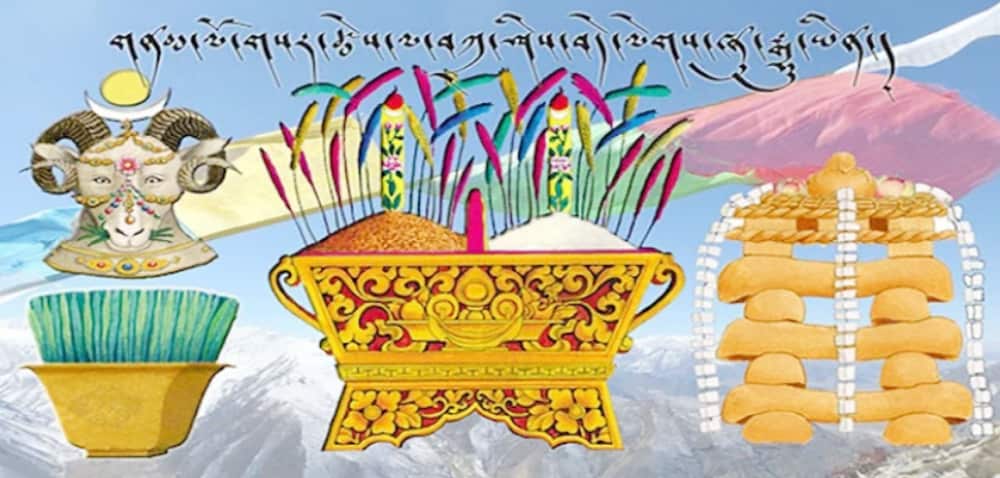
གྲོ་སོ་ཕྱེ་མར་དང་རྩེ་སྒྲོའི་མཚོན་ནི། གྲོ་ནི་ཁ་དྲོ་བའི་གྲོ་དང་། ཕྱེ་མར་ནི་བཀྲ་ཤིས་པའི་མཚོན་དོན། མདོག་དཀར་གྱིས་སེམས་པ་དཀར་བ་མཚོན། རྩེ་སྒྲོའི་ལེབ་རིས་སྣ་ཚོགས་ཀྱིས་ཕྱིའི་མཆོད་པ་དང་། ཉི་ཟླ་གཉིས་ཀྱིིས་ཐབས་ཤེས་གཉིས་མཚོན་པ་དང་།ན་ཐ་དང་ཟེེའུ་འབྲུ་གསུམ་གྱིས་གསང་སྔགས་ཀྱི་ཉམས་ལེན་མཚོན་གྱི་ཡོད།
ཕྱེ་མར་འབུལ་སྐབས་ཀྱི་སྨོན་ཚིག་ནི། ལོ་གསར་སྐབས་མཆོད་མར་འབུལ་མིས་ “བཀྲ་ཤིས་བདེ་ལེགས”དང་།
ལེན་མིས་“བཀྲ་ཤིས་བདེ་ལེགས་ཕུན་སུམ་ཚོགས། གོང་ནས་གོང་དུ་འཕེལ་བར་ཤོག” སོགས་དང་།
གཞན་དུ་ལོ་གསར་མིན་པའི་རྟེན་འབྲེལ་མཚོན་ཚིག་སྤྱིར་བཏང་ “བཀྲ་ཤིས་བདེ་ལེགས”ཁོ་ན་སྤྱོད་པ་རེད།
སྲོལ་རྒྱུན་དང་རྒྱས་སྤྲོས།
གནའ་སྔ་མོའི་ལུགས་སྲོལ་ལྟར་ན།གནའ་སྔ་མོའི་སྡེར་ཁའི་ཕྱེ་མར་ནི་མར་ལེབ་གསུམ་དང་མར་རྡོག་ལྷེབ་ཙམ་བཙུགས་ཏེ་སྤྱོད་སྲོལ་ཡོད་པ་དང་།དེ་ནས་རིམ་གྱིས་གྲ་རྒྱས་སུ་ཕྱིན་པ་དང་མཉམ་དུ་རྟེན་འབྲེལ་ཀྱི་ཚོན་རིས་སྤྲོས་པ་དང་མཛེས་སྤྲོས་མང་པོ་ཁ་སྣོན་བྱས་ཏེ་དར་རྒྱས་སུ་བཏང་བ་མངོན། དེ་ཡང་འདི་ལྟར་འབོ་གཉིས་སོ་སོར་གྲོ་དང་རྩམ་པས་བཀངས་བ། བཀྲ་ཤིས་རྟགས་བརྒྱད། རྟགས་བརྒྱད་བུམ་གཟུགས། ནོར་བུ་ཆ་བདུན།སེང་གེ་ཁ་འཕྲོད་ཀྱིས་ནོར་གཞོང་སྟེགས་པ།ལོ་གསར་མེ་ཏོག་དང་ཚོན་སྙེ་སྣ་ཚོགས་ཀྱིས་མཛེས་པར་བརྒྱན་པ་སོགས་རྩ་བའི་ཆ་ནས་འགྱུར་བ་མང་པོ་ཞིག་ཕྱིན་ཡོད་ན་ཡང་ཕྱེ་མར་འབུལ་བའི་སྲོལ་རྒྱུན་སོགས་སྔར་སྲོལ་བཞིན་བརྟན་པོར་གནས་ཡོད་པ་རེད།
ལོ་གསར་སྐབས་སུ་མཆོད་པ་འབུལ་བའི་རྫས་གཙོ་བོ་ནི། གྲོ་སོ་ཕྱེ་མར་དང་། ཆང་ཕུད། སྡེར་ཁ། མར། ཐུད། ཇ། ཚྭ། སྨན་རག །དཀར་གསུམ། མངར་གསུམ། ལོ་ཕུད་ལྗང་པ། མཆོད་ཡོན། ཞབས་སེལ། མེ་ཏོག གདུང་སྤོས། མར་མེ། ཞལ་ཟས། རོལ་མོ། འདོད་ཡོན་སྣ་ལྔ། བཀྲ་ཤིས་རྟགས་བརྒྱད། རྒྱལ་སྲས་སྣ་བདུན། ནོར་བུ་ཆ་བདུན་ལ་སོགས་པའི་ཕྱིའི་མཆོད་པ་སྣ་ཚོགས་ཤིག་འབུལ་སྲོལ་ཡོད། དེ་ནས་བཀྲ་ཤིས་མཚོན་བྱེད་ཀྱི་རི་མོ་ནི། མཐུན་པ་སྤུན་བཞི། ཚེ་རིང་རྣམ་དྲུག །གཡུང་དྲུང་ལ་སོགས་པ་འབྲི་སྲོལ་ཡོད། མཆོད་འབུལ་ཡུལ་གཙོ་བོ་ནི་སྐྱབས་གནས་ལྷ་ཚོགས་གཙོ་བོ་ཡིན་སྐོར་མེལ་བྷོན་གནས་བཞུགས་ངག་དབང་བློ་བཟང་ལགས་ཀྱིས་འགྲེལ་བརྗོད་གནང་བ་གཞི་ལ་བཞག་ནས་སྤེལ་བ་ཞིག་ཡིན།།
Translation in English
Meaning of chemar (barley-butter)
There is a reason why farmers and herdsmen in Tibetan areas focus on the production activities of farmers and herdsmen, that is, farmers mainly produce grains, herders mainly produce milk, the core of which is butter, and the main resources of agriculture and herdsmen are the main needs of the Tibetan people's indispensable food. It can be seen that the first of the celebration is to worship with the chemar. Then offer the fermented wine, which has long been the custom of Tibet's unique characteristics, that is, basically, the chemar is used as offering in the Bon tradition. Since the early Tibetan farmers and herdsmen combine butter and barley for food, from those periods, chemar is also reflected as a sign of auspiciousness for the farmers and nomads.
Chemar and feathers represent luck, barley represents auspiciousness, white symbolizes pure heart, various feather plates represent external offerings, the sun and moon represent two methods, and the three seeds represent the experience of secret mantrayana.
With the blessing of the barley offering the people who offer the chemar says: "Tashi Delek (May there be luck and goodness).”
The ones who receive says "May there be luck and goodness, And may it multiply."
In other times, when chemar is used, one just says “Tashi Delek”.
Tradition and luxury
According to the ancient customs, the chemar was made of three slices of butter or a small piece of butter, and then, gradually decoration with the addition of many festive colors and adornments developed, filling the two wings of the bo (decorative container) with wheat and barley. Additionally including the eight auspicious symbols, the seven jewels, the lion facing each other, and various flowers a lot has transformed. However, the fundamental tradition of offering chemar and others have remained the same.
The main items of the New Year's offerings are: chemar, wine, traditional biscuits, butter, cake, tea, salt, medicine, white, the three whites, the three sweets, first of the harvest, offerings, feet -water, flowers, incense, lamps, edibles, music, five objects of desire, eight auspicious objects, seven princely objects, seven pairs of jewels and so on. Then to represent prosperity, the drawings of the four-brotherhood, the six-longevity gods, and the swastika made. main object of offerings for the Buddhist are the three jewels and then the gods and goddess.