

ካብ ገዛ ወጺኹም ንጽቡቓትን ምልኩዓትን ግዳማት/ደገታት ኣውስትራልያ ከተስተማቕርዎም እንተደሊኹም፣ ናብ ጉዕዞ ወጺእኩም ትዕስክርሉ (ካምፒንግ ትገብርሉ) ምኻድ ሓደ ትድነቕሉ ኣገባብ’ዩ። ቀስ ክትብሉ (ክትሃድኡ)፣ ምስ ተፈጥሮ ዳግማይ ክትራኸቡን ካብ መሳኹቲ ሞባይል፣ ላፕ ቶፕ፣ ኮምፒውተርን ቴሌቪዥንን ካልኦት ዕለታዊ ተግባራትኩምን ፈጺምኩም ክትእለዩ ዕድል ዝህበኩም’ዩ። ጉዕዞኹም ምቹእን ዘይርሳዕን ክትገብርዎ፣ ኣቐዲሙ መደብ ኣውጽኡ፣ ብሜላ ጠርንፉን ኣብ'ቲ ዝመረጽኩሞ ቦታ ዓስክሩን (ካምፕ ግበሩን)፣ ንሰባትን ንከባቢን ክትብሉ ድማ ሓልዮት ይሃልኹም።
Key Points
- Preparing for a camping trip involves researching the location, weather, conditions, local activities, and equipment required.
- There’s a large array of camping equipment available, from the essentials to more involved gear to add comfort and convenience.
- Being a considerate camping means taking your rubbish with you, and being aware of your noise and impact on nearby campers.
- Why go camping in Australia?
- What to consider before you go camping?
- What camping equipment should you take?
- What is good camping etiquette?
- Where can you find out more information about camping?
Why go camping in Australia?
From the coast to the outback, there’s a lot of Australia to explore, and going on a camping trip can be an easy and affordable way to experience the beauty and solitude of nature.
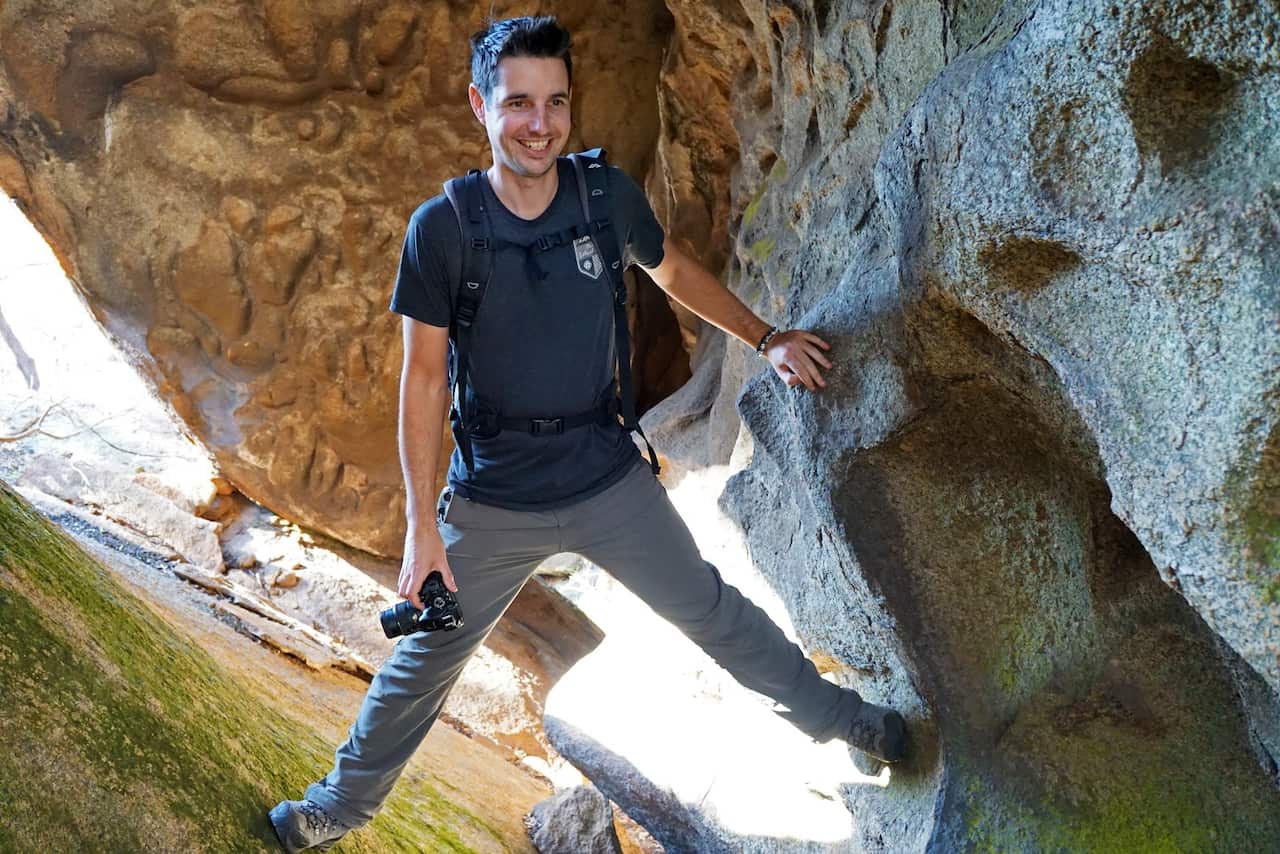
“We're very lucky in Australia to be blessed with some amazing natural landscapes, and most of them are relatively accessible from our major city centres,” hiker and photographer Mark Pybus explains.
Jon Burrell owns camping retailer Tentworld, and he enjoys camping and helping others get set up with the right equipment.
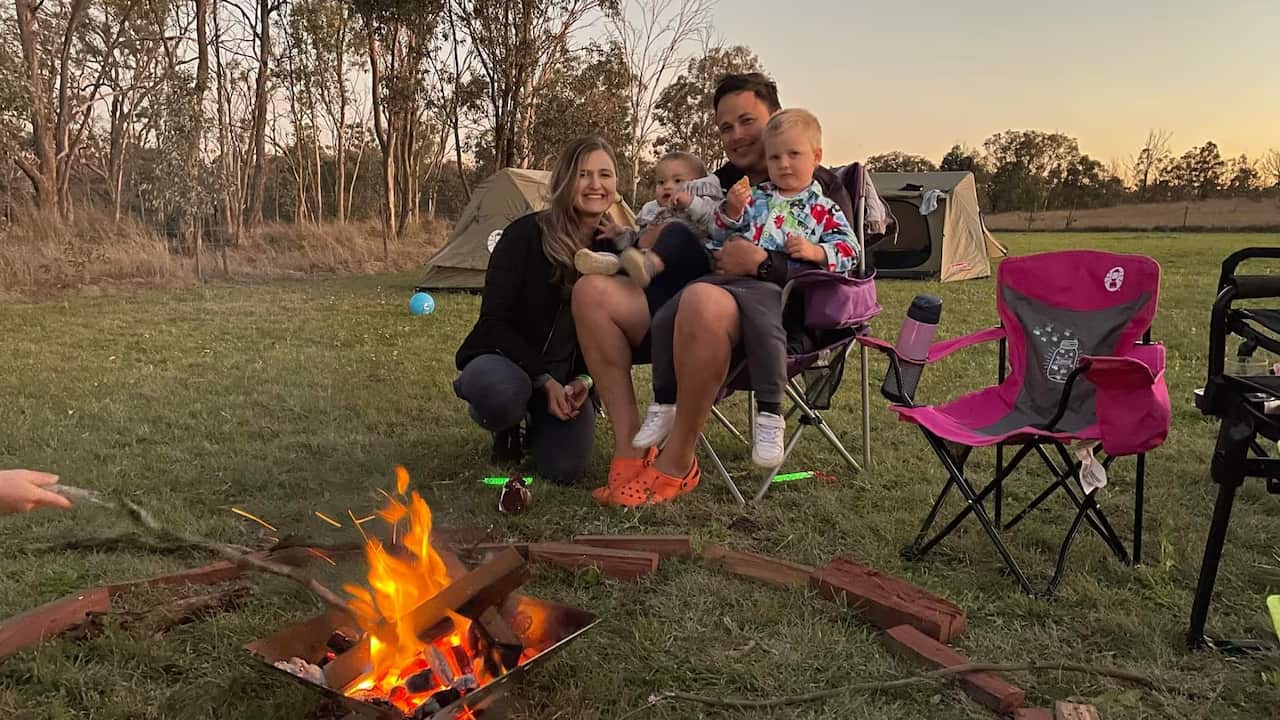
“I enjoy camping because it forces me to change my habits. Like everyone, I’m a bit addicted to my phone and the conveniences of modern life. Going camping allows me to really force myself to take a step back and spend more time with my family and enjoy the outdoors.”
Queensland national park ranger Erin Atkinson agrees. She says camping can be an affordable holiday, with the chance to encounter wildlife too.
“Australia is such a big country with so many natural areas, especially in our national parks, that are in pristine and untouched condition. There’s the opportunity to interact with native wildlife, whether it's the birds, the terrestrial animals like native marsupials, kangaroos or reptiles, or our abundant marine life. Camping in national parks is also actually quite budget-friendly.”
What to consider before you go camping?
Planning a camping trip involves understanding what equipment and supplies to take, knowing where and how to camp, and being mindful of the weather and environment.
“The best way to ruin a camping trip is to not do any research about where you're going. So finding out if a campsite needs bookings, for example, what the busy times of the year might be if you don't like crowds, what the weather's going to be like is a major factor - you don't want to be stuck in the cold or the rain,” Mark says.
If you prefer quiet time away from crowds, avoid school holidays and plan your travel carefully, Erin says.
“Do you need a four-wheel drive to access a camping area? Can you take pets into the area? You should check the weather forecast, the tides if you're going on the beach and always ensure you have your camping and vehicle permit before you travel to an area. You don't want to get to an area, and it's booked out and you've travelled all that way.”
Jon suggests to start simple for your first camping adventure.
“Try to choose somewhere where it reduces the complexity of what you need to take, perhaps all the way down to just a tent, mattress, sleeping bag and a torch. That way you can experiment with that, enjoy eating out at the local pub, and then for the next trip, you can step up and start packing food and the equipment that you need for food preparation as well.”
And make sure you pack to suit the weather.
“The temperature is obviously a big one - making sure that you've got clothing that's suitable, and sleeping bags that are suitable for the temperatures that you can experience overnight. Definitely a lot of first-time campers are shocked by how cold it can get overnight,” Jon explains.
What camping equipment should you take?
- Consider a range of camping gear, including a tent, bedding, table and chairs, cooking utensils and food.
- Essential items include water, a tent, sleeping bag, mattress and a torch.
- Pack extra comfort items. As Mark says, “If you're driving to the campsite, you might have a lot of space in the car, so take extra blankets and your own pillow from home.”
- Consider a quality air mattress or swag if space allows.
- Pack insect repellent, sunscreen, a first aid kit and any activity-specific gear such as fishing equipment, bathers, sports gear or games.
- Modern camping gear offers a wide range of comfort and technology options, limited mainly by space and budget.
- Decide whether you need highly durable equipment or lighter, more affordable options.
- Set up and test your gear at home before leaving.
- Choose your campsite carefully, checking for flat ground, flood risk, nearby roads and hazards like overhanging branches.
What is good camping etiquette?
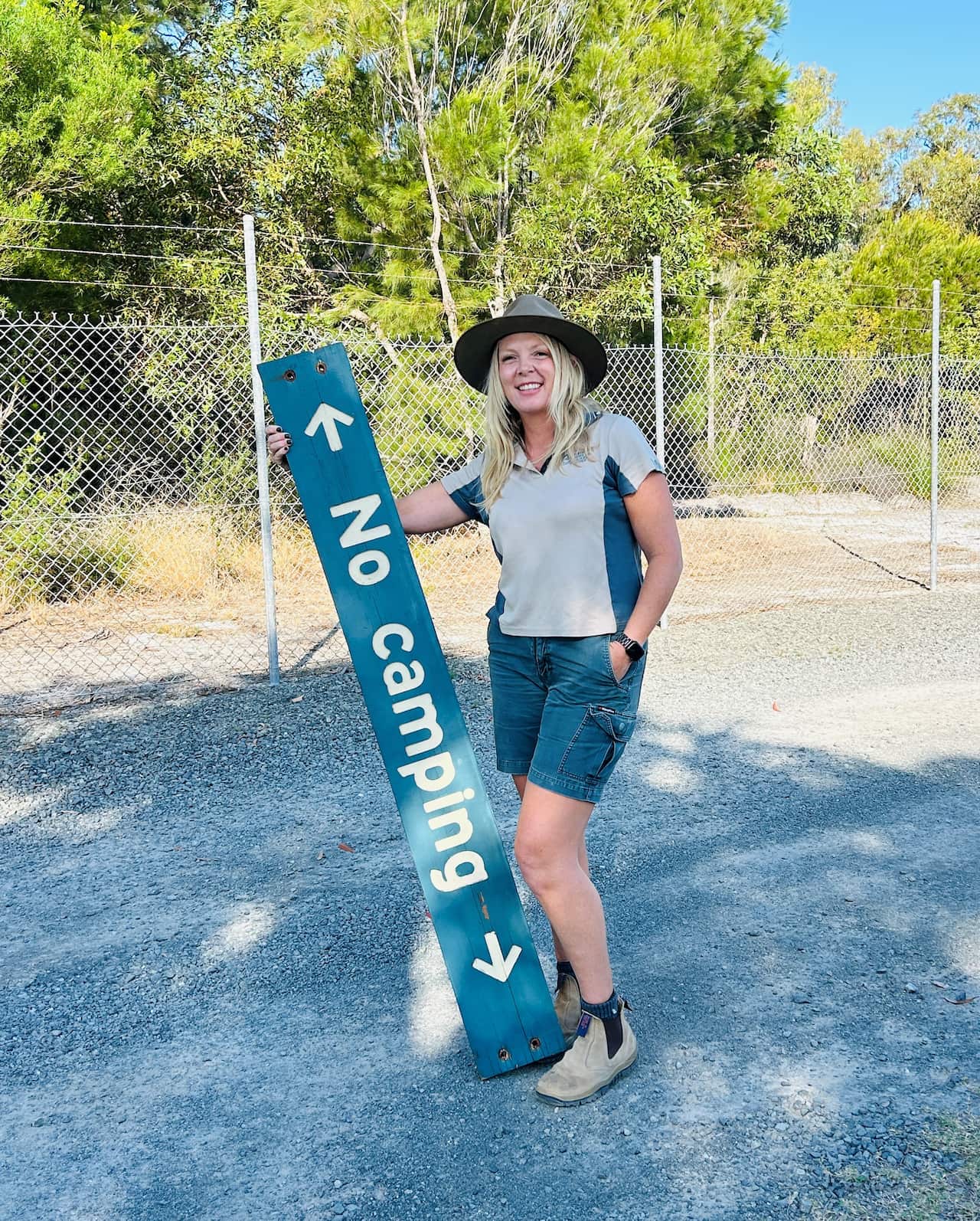
Equally important is to be a considerate camper — respect others and follow local rules, Erin adds.
“So keep your noise levels to a minimum, especially after dark and in the early hours of the morning. And when you’re setting up your tent, give people as much space as possible, don’t spread your camping footprint out too far, and always adhere to the campground rules.”
When camping, don’t litter or damage native vegetation, and take your rubbish home.
“Try to leave no trace. Pack up everything that you bring in and leave the campsite in the same or even a better condition than you found it. In national parks, everything is protected. So you can actually receive a fine if you damage a plant or disturb a protected area,” says Erin.
Campfires should only be set up in designated places, and make sure fires are completely out before you depart.
If you use a generator, Jon says be mindful of the noise.
“A lot of national parks won't let you take generators, but if you are allowed to take them, it's generally recommended to turn them off by seven o'clock. Similarly with loud music, and that's taking into consideration young families that are probably trying to get their children to bed.”

Where can you find out more information about camping?
- Research the local area online before heading off to camp.
- Check for fire bans and current conditions, including weather forecasts on the Bureau of Meteorology website.
- Visit the official website of the camping area or National Park for up-to-date information.
- Drop into the local ranger office or tourist information centre for practical advice.
- Use local visitor centres in nearby towns for insider tips and lesser-known spots.
Subscribe to or follow the Australia Explained podcast for more valuable information and tips about settling into your new life in Australia.
Do you have any questions or topic ideas? Send us an email to australiaexplained@sbs.com.au