
รถเมล์ รถไฟ รถราง เรือโดยสาร จะใช้ขนส่งสาธารณะในออสเตรเลียต้องรู้อะไรบ้าง

Smiling young woman waits for bus on busy street in Sydney, enjoying time outdoors with friends

Public transport in Australia is used by people, of all ages, abilities and cultural backgrounds. Credit: South_agency/Getty Images

ระบบขนส่งสาธารณะในออสเตรเลียเป็นวิธีเดินทางที่ประหยัดที่สุดเช่นเดียวกับประเทศส่วนใหญ่ ประกอบด้วยรถราง รถบัส รถไฟ และเรือโดยสาร โดยแต่ละรัฐหรือเขตปกครองจะมีเครือข่ายขนส่งของตนเอง อย่างไรก็ตาม การใช้ระบบขนส่งสาธารณะของออสเตรเลียอย่างคล่องแคล่วจำเป็นต้องรู้รายละเอียดพื้นฐานและเข้าใจว่าระบบขนส่งที่นี่มีการทำงานอย่างไร


ประเด็นสำคัญ
  • แต่ละรัฐมีระบบขนส่งสาธารณะของตนเอง ดังนั้นกฎระเบียบและอัตราค่าบริการจึงแตกต่างกันไป
  • บัตรสมาร์ทการ์ดแบบเติมเงินมีให้บริการในเมืองใหญ่ทุกแห่ง และตัวเลือกการชำระเงินอาจรวมถึงการทำธุรกรรมผ่านบัตรธนาคารแบบไร้สัมผัส
  • พนักงานจะตรวจสอบความถูกต้องของการออกตั๋วและความปลอดภัย รวมถึงมีการใช้กล้องวงจรปิดในระบบขนส่งสาธารณะทุกแห่ง

ออสเตรเลียมีขนส่งสาธารณะทั่วประเทศหรือไม่

ชาวออสเตรเลียส่วนใหญ่ขับรถยนต์ส่วนตัวไปทำงาน สถิติที่จัดทำโดยสำนักงานสถิติแห่งออสเตรเลีย (ABS) ตั้งแต่ปี 1976 ซึ่งเป็นปีที่เริ่มมีการตั้งคำถามนี้เป็นครั้งแรก

ศาสตราจารย์จอห์น เนลสัน ดำรงตำแหน่งประธานด้านการขนส่งสาธารณะ ณ สถาบันวิจัยด้านการขนส่งและโลจิสติกส์ มหาวิทยาลัยซิดนีย์ กล่าวว่าเมืองต่างๆ ของออสเตรเลียขยายตัวอย่างกว้างขวางและมีระยะทางไกลระหว่างเมือง ทำให้การให้บริการขนส่งสาธารณะแก่พื้นที่ชนบทเป็นไปได้ยาก

“แม้แต่เวลาคุณเดินทางออกจากซิดนีย์ คุณจะเห็นว่าที่ดินต่างๆ กระจายตัวออกไปมาก”

แต่ในเขตเมืองที่มีประชากรหนาแน่นและเมืองใหญ่ ระบบขนส่งสาธารณะนั้นรวดเร็ว ประหยัดกว่า และจำเป็นอย่างยิ่งสำหรับผู้ใช้บางกลุ่ม
GettyImages-90421860.jpg
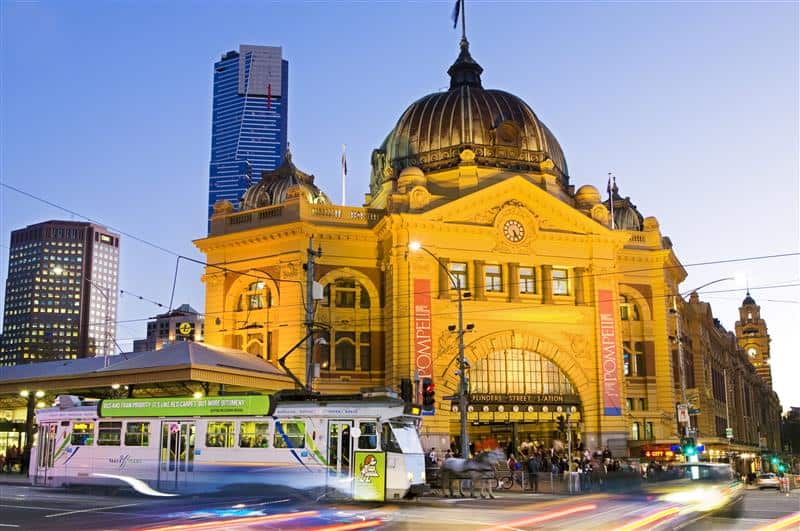
การขนส่งสาธารณะเป็นวิธีเดินทางที่ประหยัดที่สุดในเมืองใหญ่ของออสเตรเลีย เมื่อเทียบกับค่าใช้จ่ายเกี่ยวกับรถยนต์ ซึ่งรวมถึงค่าน้ำมันและค่าบำรุงรักษาแล้ว

ขนส่งสาธารณะในเมืองของคุณใช้บัตรเติมเงินแบบไหน

แต่ละรัฐหรือเขตการปกครองมีเครือข่ายระบบขนส่งของตนเอง เมืองใหญ่และเมืองขนาดกลางใช้ระบบตั๋วบัตรสมาร์ทการ์ดเพื่อการชำระเงินแบบไร้เงินสด

บัตรเติมเงินที่ใช้ในเมืองหลวงของแต่ละรัฐหรือเขตปกครองมีดังนี้:

ศาสตราจารย์จอห์นกล่าวว่า ระบบสมาร์ทการ์ดโดยทั่วไปใช้งานง่าย แต่ถ้าหากยังไม่เคยใช้มาก่อน อาจต้องเข้าใจวิธีใช้งาน

“โดยปกติแล้วจะมีขนาดประมาณบัตรเครดิต พอเติมเงินเข้าไปคุณก็จะใช้ระบบขนส่งสาธารณะได้ ไม่ว่าจะเป็นรถบัส รถไฟ รถราง หรือเรือเฟอร์รี่”

วิธีการใช้งานนั้น มักจะอยู่ในชื่อของมันเอง

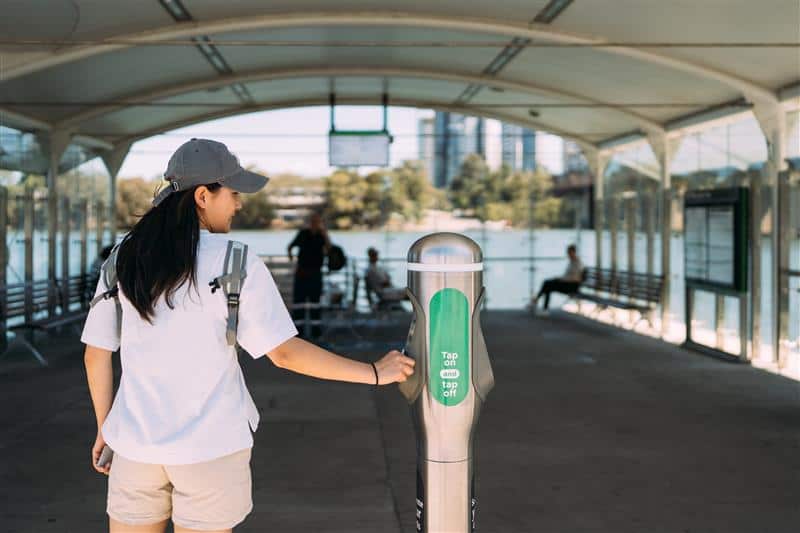
“แตะเพื่อเข้าและแตะเพื่อออก บางครั้งจะมีประตูหรือสิ่งกีดขวางที่คุณต้องแตะบัตรเพื่อผ่านไป ในบางกรณีก็จะมีเสาชำระเงินพร้อมเครื่องอ่านบัตร” ศาสตราจารย์จอห์นอธิบาย

คุณสมบัติทั่วไปของบัตรสมาร์ทการ์ด ได้แก่ อัตราค่าโดยสารลดพิเศษสำหรับเยาวชนและผู้สูงอายุ ค่าโดยสารลดราคาสำหรับการเดินทางในวันหยุดนักขัตฤกษ์และช่วงสุดสัปดาห์ รวมถึงการกำหนดราคาค่าโดยสารสูงสุดรายวันและรายสัปดาห์
GettyImages-2186565614.jpg
To avoid a ‘card clash’ keep your public transport smart card separate from your bank card, ensuring you don’t get charged twice when tapping on the card reader. เพื่อหลีกเลี่ยงปัญหาแตะบัตรผิดใบ โปรดเก็บสมาร์ทการ์ดขนส่งสาธารณะของคุณแยกจากบัตรธนาคาร เพื่อให้แน่ใจว่าคุณจะไม่ถูกเรียกเก็บเงินสองครั้งเมื่อแตะบัตรที่เครื่องอ่านบัตร

คุณจ่ายเงินค่าโดยสารด้วยบัตรธนาคารได้หรือไม่

ขึ้นอยู่กับว่าคุณเดินทางไปที่ไหน คุณอาจชำระค่าตั๋วด้วยเงินสดได้ ตัวอย่างเช่น รัฐเวสเทิร์นออสเตรเลียยังคงรับชำระด้วยเงินสดอยู่

แต่วิธีชำระเงินค่าโดยสารด้วยบัตรธนาคารกำลังเป็นที่นิยมทั่วประเทศ

“มีเพียงบางรัฐและบางเมืองใหญ่ที่มีระบบชำระค่าโดยสารด้วยบัตรธนาคาร” โฮเวิร์ด คอลลินส์ ผู้ประสานงานทั่วไปด้านการขนส่งของรัฐนิวเซาท์เวลส์ อธิบาย “แต่ในรัฐนิวเซาท์เวลส์ ยกตัวอย่างเช่นร้อยละ 60 ของธุรกรรมทั้งหมดของเราในปัจจุบันเป็นการ ‘ใช้บัตรธนาคาร’”

“จำนวนผู้โดยสารที่ชำระเงินด้วยบัตรเครดิตหรือบัตรเดบิตมีมากขึ้นเรื่อยๆ บางครั้งก็ใช้สมาร์ทวอทช์หรือโทรศัพท์มือถือแตะเพื่อชำระเงิน”

โฮเวิร์ดกล่าวเสริมว่า เมื่อเจ้าหน้าที่ตรวจสอบการปฏิบัติตามกฎระเบียบสแกนบัตรธนาคารของคุณบนเครื่องอ่านบัตรเพื่อตรวจสอบตั๋ว เจ้าหน้าที่จะเห็นเฉพาะข้อมูลการชำระเงินของคุณเท่านั้น

“ดังนั้นไม่ต้องกังวลเรื่องที่อยู่หรือข้อมูลอื่นๆ บนบัตรเครดิตหรือบัตรเดบิตของคุณ”
GettyImages-1360154406.jpg
การกระทำผิดเกี่ยวกับการขนส่งสาธารณะ ได้แก่ พฤติกรรมที่ไม่เหมาะสมขณะเดินทาง เช่น การวางเท้าบนที่นั่ง

เจ้าหน้าที่ตรวจตั๋วตรวจสอบอะไรได้บ้างในสถานีและบนรถไฟ

เจ้าหน้าที่ตรวจตั๋วจะตรวจสอบตั๋วและความปลอดภัย ขณะเดียวกันก็มีการติดตั้งกล้องวงจรปิดบนรถไฟและในสถานี

ชาร์ล็อตต์ เฮย์ส กล่าวว่า ประชาชนอย่าลังเลหากต้องการเข้าหาเจ้าหน้าที่ขนส่งสาธารณะเพื่อสอบถามเกี่ยวกับเรื่องความปลอดภัย

เธอเป็นผู้อำนวยการบริหารฝ่ายกลยุทธ์และการสื่อสารลูกค้าของหน่วยงานขนส่งสาธารณะแห่งรัฐเวสเทิร์นออสเตรเลีย

“เจ้าหน้าที่รักษาความปลอดภัยของเราพร้อมให้ความช่วยเหลือ”

ชาร์ล็อตต์กล่าวว่า “ดังนั้น หากคุณพบเห็นพฤติกรรมที่ไม่เหมาะสม หรือถูกกระทำโดยบุคคลที่ไม่พึงประสงค์ คุณสามารถไปพูดคุยกับเจ้าหน้าที่ได้อย่างปลอดภัย”

การกระทำผิดเกี่ยวกับการขนส่งสาธารณะมีอะไรบ้าง

การกระทำผิดเกี่ยวกับการขนส่งสาธารณะ ได้แก่ การไม่ปฏิบัติตามตั๋วและการประพฤติผิด ซึ่งคุณอาจถูกปรับหรือถูกดำเนินคดี

ตัวอย่างที่ใช้ได้ทั่วประเทศออสเตรเลีย ได้แก่

  • เดินทางโดยไม่มีตั๋วที่ยังใช้งานได้ หรือ
  • เดินทางโดยไม่มีหลักฐานแสดงสิทธิ์รับส่วนลด
  • สูบบุหรี่และดื่มแอลกอฮอล์ระหว่างโดยสาร
  • วางเท้าบนที่นั่ง

หากคุณได้รับใบสั่งให้จ่ายค่าปรับต้องทำอย่างไร

หากคุณได้รับค่าปรับและรู้สึกว่าตนเองไม่ได้รับความเป็นธรรม คุณสามารถขอความช่วยเหลือทางกฎหมายหรือโต้แย้งผ่านทางหน่วยงานขนส่งสาธารณะได้

“มีทีมงานที่คอยตรวจสอบการละเมิดสิทธิ์ คุณสามารถเข้าไปดูข้อมูลในเว็บไซต์ของหน่วยงานเพื่อหาวิธีอุทธรณ์การละเมิดได้” ชาร์ล็อตต์อธิบาย

“อย่าเผลอวางใบสั่งทิ้งไว้แล้วลืมจ่ายค่าปรับ เพราะค่าปรับจะสูงขึ้นเรื่อยๆ ส่งผลกระทบต่อเครดิตของคุณ ความสามารถในการขอใบขับขี่ และเรื่องร้ายแรงอื่นๆ"

มารยาทในการใช้ระบบขนส่งสาธารณะในออสเตรเลียเป็นอย่างไร

กฎและข้อกำหนดทั่วไปในการใช้ระบบขนส่งสาธารณะทั่วประเทศออสเตรเลียมีดังนี้

  • ไม่รบกวนคนขับ
  • สละที่นั่งของคุณให้แก่ผู้ที่ต้องการความช่วยเหลือ
  • อนุญาตให้ผู้โดยสารลงจากรถก่อนขึ้นรถ
  • ห้ามวางกระเป๋าไว้บนที่นั่ง
  • หลีกเลี่ยงการรับประทานอาหารที่มีกลิ่นแรง

ผู้โดยสารต้องเงียบไหมเวลาใช้ระบบขนส่งสาธารณะในออสเตรเลีย

ผู้โดยสารที่ใช้บริการระบบขนส่งสาธารณะในออสเตรเลียควรลดระดับเสียงสนทนาและเสียงเพลงลง

ชาร์ล็อตต์กล่าวว่า โปรดจำไว้ว่าการใช้พื้นที่ร่วมกันหมายถึงการแบ่งปันเสียงรบกวนกับผู้โดยสารคนอื่นๆ ด้วย

“มารยาทเล็กๆ น้อยๆ เหล่านั้นแหละที่ทำให้ระบบขนส่งสาธารณะเป็นบริการสำหรับทุกคน”

และควรตรวจสอบให้แน่ใจเสมอว่าคุณอยู่ในสถานที่ที่กำหนดให้เป็น "พื้นที่เงียบ" ศาสตราจารย์จอห์นจากมหาวิทยาลัยซิดนีย์แนะนำ

รวมถึงห้ามพูดคุยเสียงดัง และห้ามรับฝากข้อความทางโทรศัพท์

“โดยทั่วไปแล้ว ผู้โดยสารบนตู้งดใช้เสียงบนรถไฟมักจะให้ความร่วมมือเป็นอย่างดี และผู้คนไม่ควรแปลกใจหากคนแปลกหน้าหันมาพูดว่า ‘ช่วยหยุดพูดได้ไหม คุณอยู่บนตู้งดใช้เสียง’”

Australia Explained เป็นพอดคาสต์ข้อมูลและความรู้เกี่ยวกับการปรับตัวให้เข้ากับชีวิตใหม่ในออสเตรเลีย

คุณสามารถส่งคำถามหรือไอเดียหัวข้อที่น่าสนใจมาได้ที่ australiaexplained@sbs.com.au

ติดตามเอสบีเอส ไทย ได้อีกทาง เว็บไซต์ | เฟซบุ๊ก | อินสตาแกรม

spk_0

SBS acknowledges the Traditional Custodians of Country and their connections and continuous care for the skies, lands and waterways across Australia.

spk_1

You're listening to Australia Explained, an SBS audio podcast helping you navigate life in Australia.

spk_2

Like in most countries, public transport in Australia is the cheapest way to get around. It includes trams, buses, trains, and ferry services, and each state or territory has its own transport network.

spk_3

[Train station announcement.]

spk_3

This is Australia Explained, and I'm your host, Maram Ismail.

spk_2

In this episode, you'll learn some public transport basics that long-time residents often take for granted, things like what to expect when a ticket inspector approaches you or which commuter behaviours are considered unacceptable.

spk_2

How do you travel to work? The Australian Bureau of Statistics has been asking this question for the national census since 1976. Using a car as an (A) driver has remained the number one response for almost 5 decades now. It is estimated that only 1 in 4 Australians uses public transport for their daily commuting.

spk_2

And for those living in regional areas, public transport services can be limited, but in densely populated urban areas, public transport is in many ways faster, cheaper, and in many cases it is more convenient or even essential.

spk_2

Most major cities and many towns operate smart card ticketing and payment systems. Professor John Nelson, chair in public transport at the University of Sydney's Institute for Transport and Logistics Studies, explains how these systems work across Australia.

spk_4

So, Opal in Sydney, it's not yet a New South Wales-wide payment card, but it's primarily the Greater Sydney area. The same applies in Western Australia, where the Smart Rider card is used in the Greater Perth area. In Melbourne it's called the Myki card, and in Brisbane and South East.

spk_4

Queensland, it's called the Go card.

spk_2

Systems for cashless payments are fairly easy to navigate, Professor Nelson says. But in case you haven't used one before, here's what to expect.

spk_4

It's usually about the size of a credit card, and it's something that you can preload with value and you use

spk_4

it to access the public transport system, be that bus, train, tram, or ferry. It's very simple to use. Sometimes there'll be a gate or a barrier where you have to tap your card for the barrier to open. In other cases, there may simply be a payment pole with a card reader to tap on and tap off.

spk_2

Discounted rates for trips on public holidays and weekends are common across Australia's public transport networks. Many systems also apply pricing caps such as a daily maximum, a weekly cap, or both. Howard Collins, coordinator General for Transport,

spk_2

for New South Wales explains how this works on the Opal network.

spk_5

What it allows you to do is to travel around all modes on public transport, works out the cost for your journey, and then there's a daily maximum, then the rest of your travel for the rest of the day is free.

spk_5

And if you travelled for a week, the maximum fare you'll ever pay for any journey you made in Opal is $50.

spk_2

But remember to always check what rules apply where you live or travel. For example, paper tickets or e-tickets are still required on some regional buses and trains, including in parts of regional Victoria. In some

spk_2

places such as Western Australia, cash can still be used to buy tickets, and in jurisdictions using contactless payment systems, commuters can also tap on and off using their bank card. Mr Collins again speaking about New South Wales.

spk_5

A lot of people nowadays use their own credit or debit card, their own bank card.

spk_5

And 60% of all of our transactions now are using your bank card. Now, not all states and cities have that facility yet, but as I said, nowadays more and more people are using their own bank card, sometimes their watch, sometimes their phone.

spk_2

And if something goes wrong, if you forgot to tap on or off, use the wrong card, or the machine isn't working, speak to staff or check your transport authority's website for advice on what to do next. Ticket checks are conducted by authorised officers who will identify themselves and ask you to hand over your smart card or bank card to

spk_2

scan on the reader. When scanning a bank card, officers can only see ticketing information. Mr Collins says.

spk_5

When you give them your credit card, they don't have any access to your banking information. All they know is where and how you tapped on or off or you completed a transaction. So there's no worries about addresses or other information on your credit or debit card.

spk_2

It's worth checking if you are eligible for concession fares, including students, pensioners, and some visa holders, but you must carry a proof with you, as eligibility rules differ between states. Public transport offences that you can be fined or charged for include ticketing and behaviour offences. These include travelling without a valid ticket or without proof of concession entitlement. They also cover behaviours such as smoking,

spk_2

drinking alcohol or putting your feet on seats. If you receive a fine and believe it was issued unfairly, you can seek legal advice or dispute it through your public transport authority. When fines are left unpaid, they can escalate to collection agencies and lead to a range of penalties.

spk_6

Charlotte Hayes, communications director at Western Australia's Public Transport Authority, explains how this process works in Western Australia.

spk_6

There's a that look at our infringements, you just have to go onto our website and you can find out how to appeal the infringement. You know what I would say though is please don't just put the fine in a drawer and forget about it because those fines can escalate to what we call the fines enforcement register, which means that it's out of our hands and it impacts credit, it impacts your ability to get a driver's licence.

spk_2

And in emergencies or during service disruptions, follow announcements and

spk_2

staff instructions and use onboard intercoms or help points if you need immediate assistance. Across Australia, public transport networks are equipped with CCTV cameras on board and at stations, along with uniformed staff to help ensure a safe and fair journey for everyone. People should feel confident approaching staff about safety concerns, Ms Hayes says.

spk_6

In some countries, security personnel, you know, may not be trusted.

spk_6

Or they've had very bad experiences with them. Our security personnel are here to help, and that's their primary role is to keep people safe, to keep them moving. And so, you know, I would say if they either witness antisocial behaviour or themselves are subject to untoward behaviour, you are safe to go and speak to a security officer.

spk_2

Most public transport services in Australia offer priority seating, step-free access, and assistance for people living with disabilities,

spk_2

older people and parents with prams, though facilities can vary by location. And finally, etiquette services are usually busiest during weekday morning and afternoon peak hours when standing is common and allowing people to board and exit first is expected. Simple expectations like not distracting the bus driver or offering your seat to someone who needs it are widely understood. But what about the less obvious rules?

spk_2

Such as noise levels, first always check whether you're in a designated quiet carriage. Professor Nelson advises.

spk_4

New users should understand that if you see a coach designated as a quiet coach, that means no loud conversation. That means no taking phone messages, and the signage will usually be backed up by announcements. Quiet coaches tend to be pretty well respected, and people shouldn't be surprised if a

spk_4

a stranger turns around and says, Can you stop talking? You're in a quiet coach.

spk_2

Even outside quiet carriages, sharing public transport means being mindful of others. Ms Hayes says.

spk_6

Not having your headphones, you know, blaring the latest Metallica album is good. We don't have quiet carriages here in Perth, but not everyone wants to listen to the true crime podcast that you are listening to, so things like that, it's just the basic level of etiquette that we would expect.

spk_2

Thank you for listening to this episode of Australia Explained, written and produced by Zoe Thomaidou, hosted and mixed by me, Maram Ismail. Australia Explained managing editor is Roza Germian.

spk_1

This was an SBS audio podcast. For more Australia explained stories, visit sbs.com.au/Australiaexplained.

spk_2

Subscribe or follow the Australia Explained podcast for more valuable information and tips about settling into your new life in Australia. Do you have any questions or topic ideas? Send us an email to australiaexplained@sbs.com.au.

END OF TRANSCRIPT

Share
Follow SBS Thai

Download our apps
SBS Audio
SBS On Demand

Listen to our podcasts
Independent news and stories connecting you to life in Australia and Thai-speaking Australians.
Understand the quirky parts of Aussie life.
Get the latest with our exclusive in-language podcasts on your favourite podcast apps.

Watch on SBS
Thai News

Thai News

Watch in onDemand